
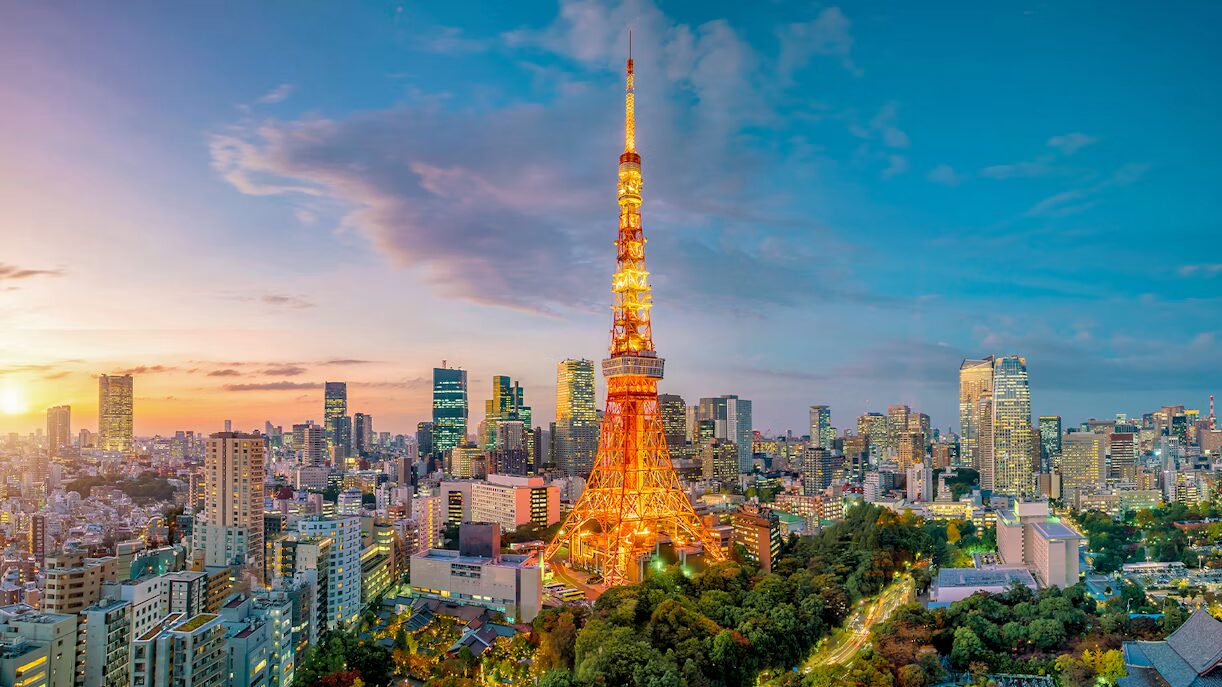
Tokyo 3 Days Itinerary for First-Time Visitors
On your first trip to Tokyo, it is natural to want to see as much as possible.
But unfamiliar train systems and heavier-than-expected crowds can quickly disrupt even a carefully planned schedule.
This three-day itinerary takes travel time, crowds, and walking distance into account while still covering many of the places first-time visitors should not miss.
By the end of the trip, Tokyo may already feel like a city you want to return to.
3-Day Tokyo Itinerary Overview
Each day has a different theme, so you can experience traditional, modern, and refined sides of Tokyo without rushing.
| Day | Theme & Highlights | Area |
|---|---|---|
| DAY 1 |
Traditional
|
East Tokyo
|
| DAY 2 |
Modern
|
West Tokyo
|
| DAY 3 |
Refined
|
Central Tokyo
|
DAY 1 Experience Traditional Tokyo
Asakusa Oshiage
9:00–20:10
Walk 55 min
Train 6 min · 0 transfers
¥12,000–17,000
Outing time is measured hotel to hotel. Budget is per person; hotels and shopping excluded.
Day 1 focuses on traditional Tokyo, with Asakusa as your base.
Asakusa is one of Tokyo’s most iconic sightseeing districts, home to Kaminarimon Gate, Senso-ji Temple, and Nakamise Shopping Street. Its quieter side streets still retain the warmth and retro atmosphere of old downtown Tokyo.
On Day 1, don’t pack too much travel into the day, explore Asakusa in kimono, sample local food and matcha, and then head to nearby Tokyo Skytree.
Because Asakusa and Tokyo Skytree are close together, this route is manageable even on your first day in the city.
Rent a Kimono at Kimono Miyabi Asakusa Station
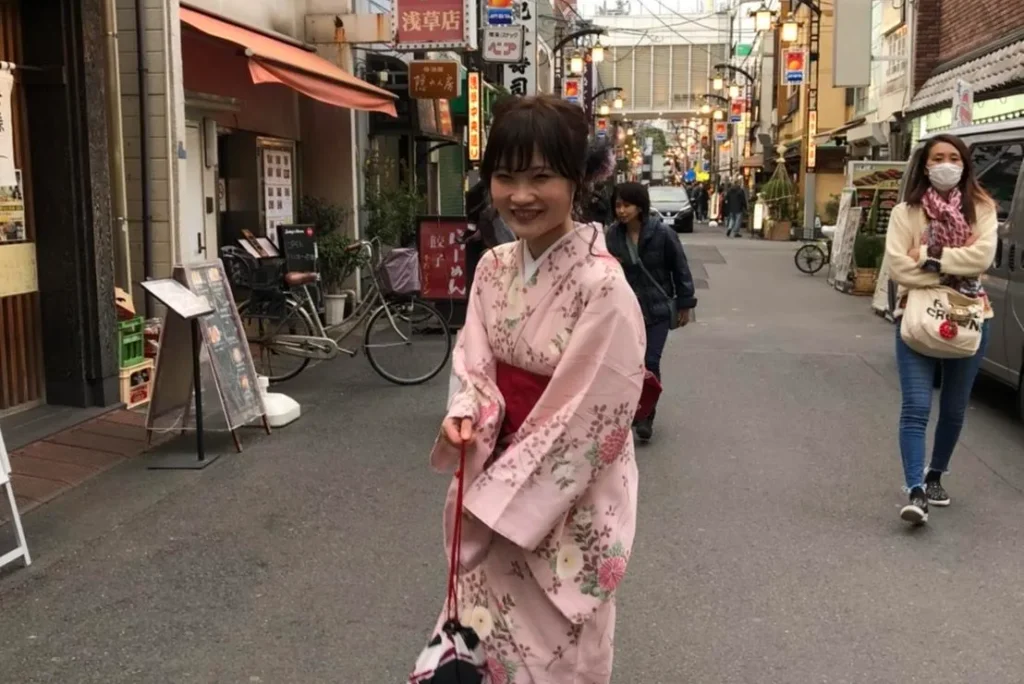
Kimono Rental Experience
With its nostalgic streets and old-town atmosphere, Asakusa is one of the best places in Tokyo to stroll in kimono and take memorable photos.
At Kimono Miyabi Asakusa Station, everything you need is provided, and you can leave your belongings at the shop. Once dressed, you are free to explore Senso-ji and Nakamise Shopping Street in your kimono.
English-speaking staff and an English booking website are available. The shop also offers discounted plans for couples, as well as packages that include a professional photo shoot.
Things to know
- Dressing and hairstyling take about one hour, so leave enough time in your schedule.
- Japanese summers are hot and humid. A kimono can feel much warmer than everyday clothing, so carry water, a handheld fan, or a folding fan.
Visit Senso-ji Temple, Tokyo’s Oldest Temple
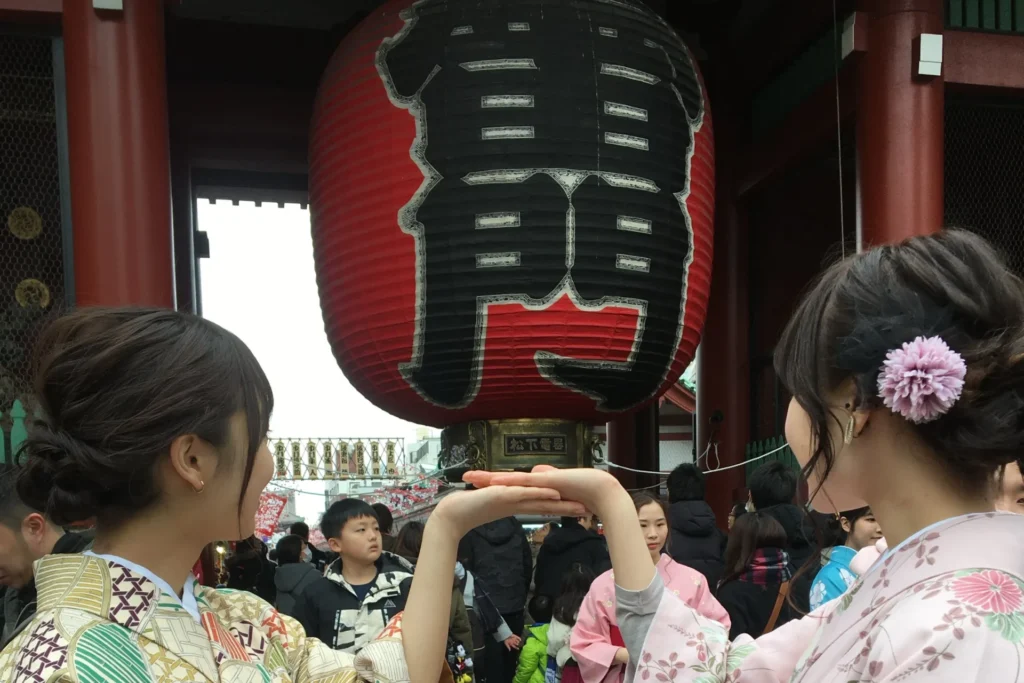
Kaminarimon Gate
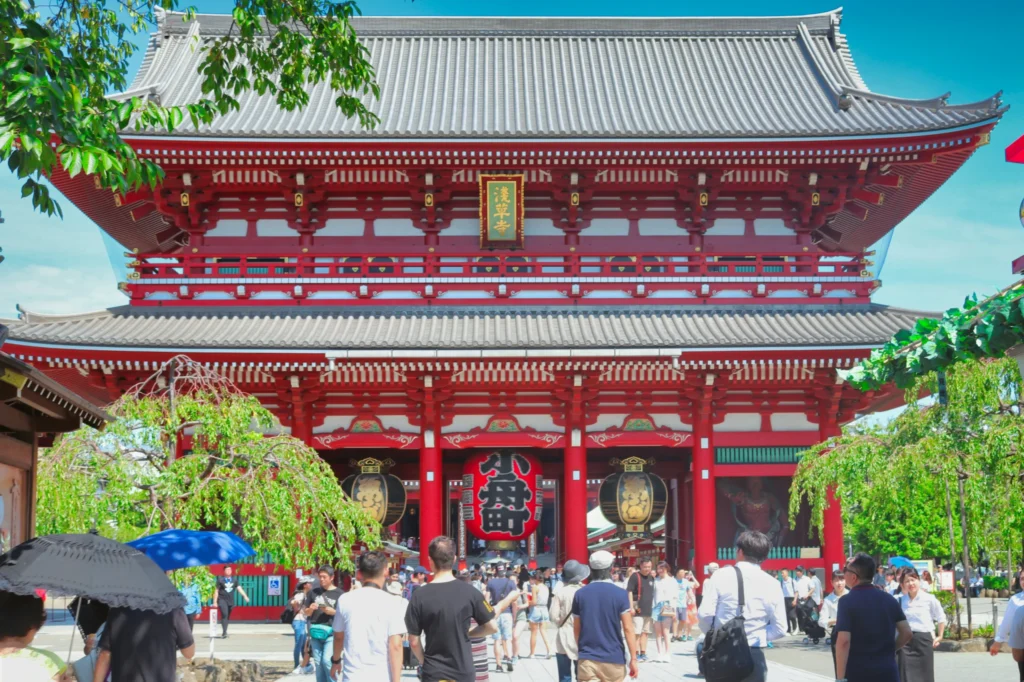
The main hall of Senso-ji
After changing into kimono, head to Senso-ji, Tokyo’s oldest temple. The morning is usually less crowded, giving you more time to explore the temple grounds, pay your respects, and take photos.
In front of the main hall, you will find the jokoro incense burner. Visitors gently waft the smoke over their bodies while wishing for good health and good fortune. After paying your respects, try drawing an omikuji fortune slip. Senso-ji is also known for having a relatively high chance of drawing kyo, a fortune that indicates bad luck.
Finish with a photo at Kaminarimon, one of Tokyo’s most recognizable landmarks. We took a playful shot that made it look as though the gate’s giant lantern were resting in the palm of a hand.
Sample Japanese Street Food on Nakamise Shopping Street
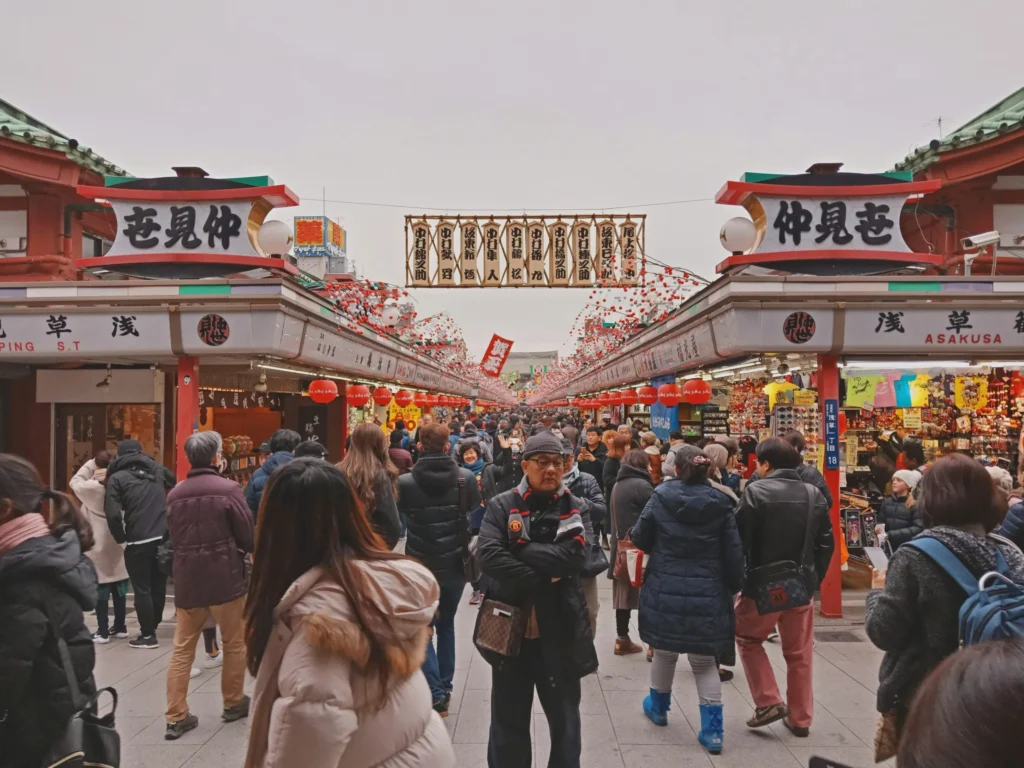
Nakamise Shopping Street Entrance
After visiting Senso-ji, enjoy a street-food lunch along Nakamise Shopping Street.
You will find eel, dumplings, rice crackers, menchi-katsu, matcha sweets, and many other foods in small, easy-to-try portions. It is a convenient way to combine sightseeing and lunch without spending time searching for a restaurant or sitting down for a lengthy meal.
Nakamise is also filled with shops selling Japanese sweets, crafts, and small souvenirs.
Things to know
- Do not eat while walking when the street is crowded. Eat in front of the shop or in the designated area indicated by the staff.
- Dispose of your rubbish in the bin provided by the shop where you bought the food.
- Popular stores may have long lines, but similar products are often available nearby, so choosing another shop can save time.
Enjoy a Matcha Break at Hatoya Asakusa
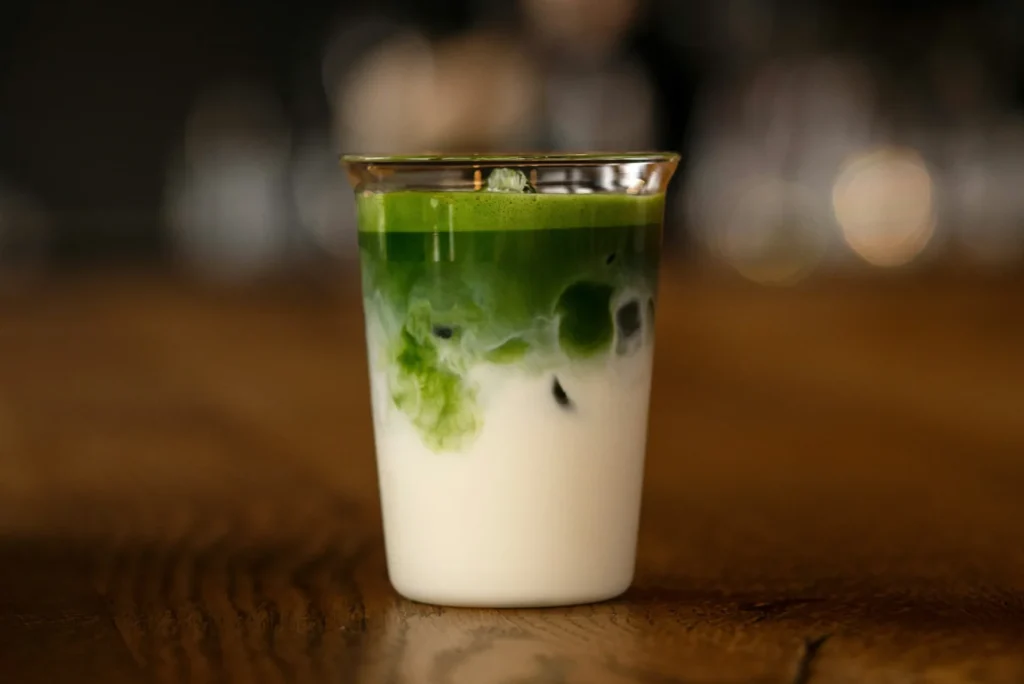
iced-matcha-latte
After exploring Nakamise, take a break at Hatoya Asakusa, a calm matcha shop slightly removed from the busiest streets.
After exploring Nakamise, take a break at Hatoya Asakusa, a calm matcha shop slightly removed from the busiest streets. Its matcha latte is made with tea leaves from Kyoto and has a rich aroma and a pleasant bitterness. You can choose whether to add sweetness, so first-time matcha drinkers may prefer the sweetened version.
The staff whisk each order of matcha in front of you, making the preparation itself a small but memorable experience.
Make Traditional Candy at Ameshin, If Time Allows
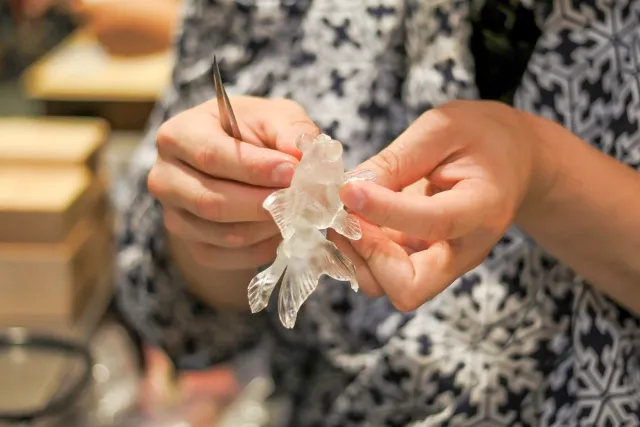
Amezaiku Candy Craft
Amezaiku is a traditional Japanese craft in which warm, soft candy is shaped by hand into animals and other forms using small scissors.
At Ameshin Hanakawado, you can buy delicate candy sculptures made by skilled artisans. With an advance reservation, you can also join a workshop and create your own piece while learning the craft up close.
The finished candy makes a one-of-a-kind souvenir, but you can also enjoy the shop simply by browsing and shopping.
Take in the Views from Tokyo Skytree
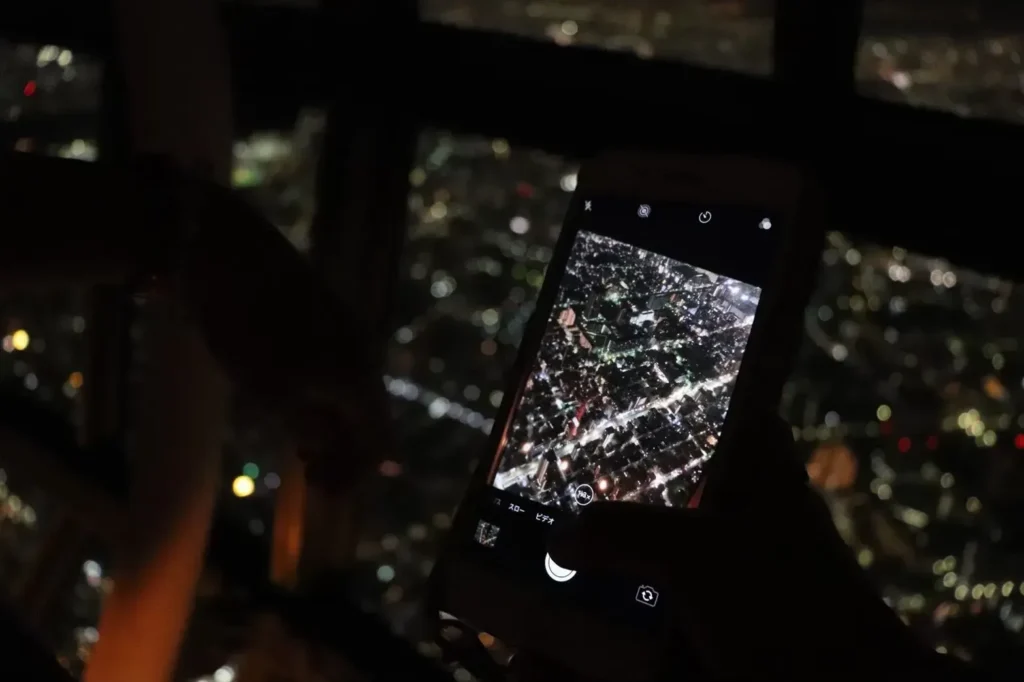
Night View from Tokyo Skytree
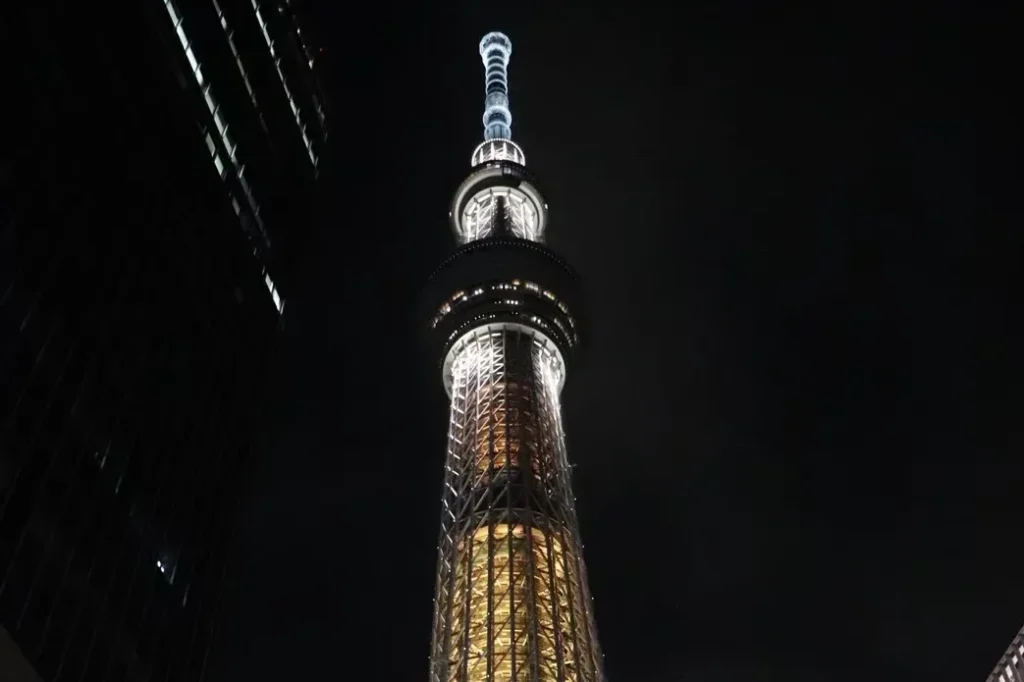
Tokyo Skytree Illuminated at Night
In the late afternoon, travel from Asakusa to nearby Tokyo Skytree. The short transfer keeps the first day manageable.
The observation decks at 350 and 450 meters offer panoramic views across Tokyo. We visited for the night view, but next time we would enter before sunset to watch the sky darken and the city lights come on.
Popular time slots can be busy, so booking tickets in advance makes entry smoother and reduces waiting time.
Try Asakusa’s Famous Tendon at Daikokuya
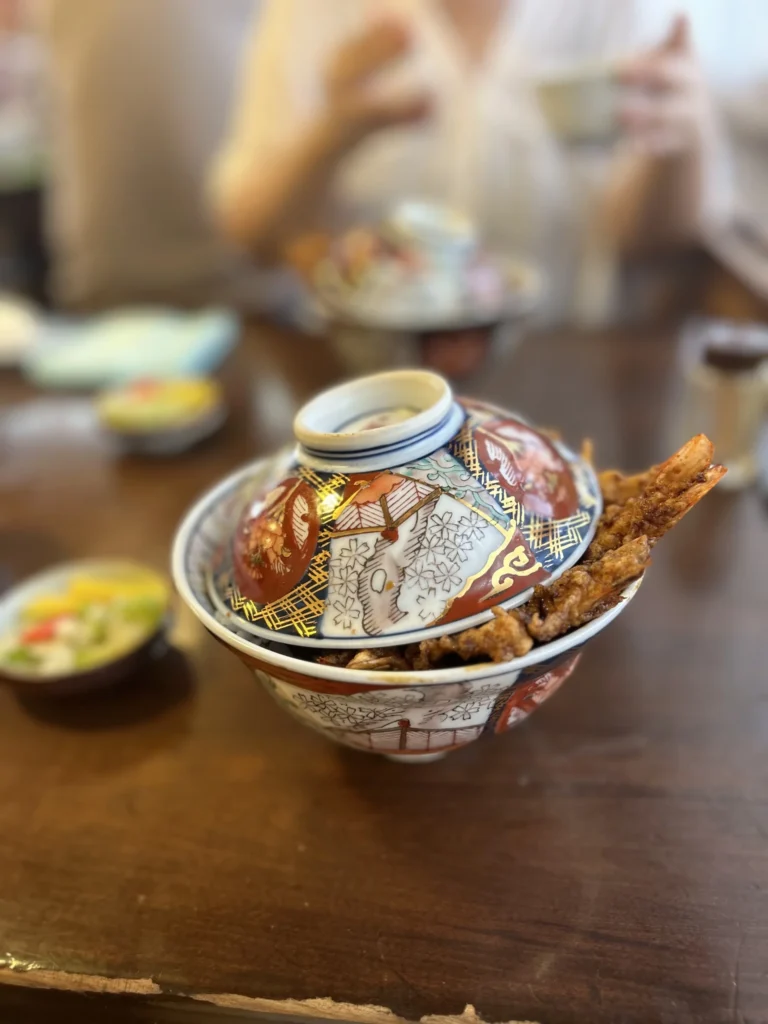
Tendon with Shrimp Tempura Beyond the Lid
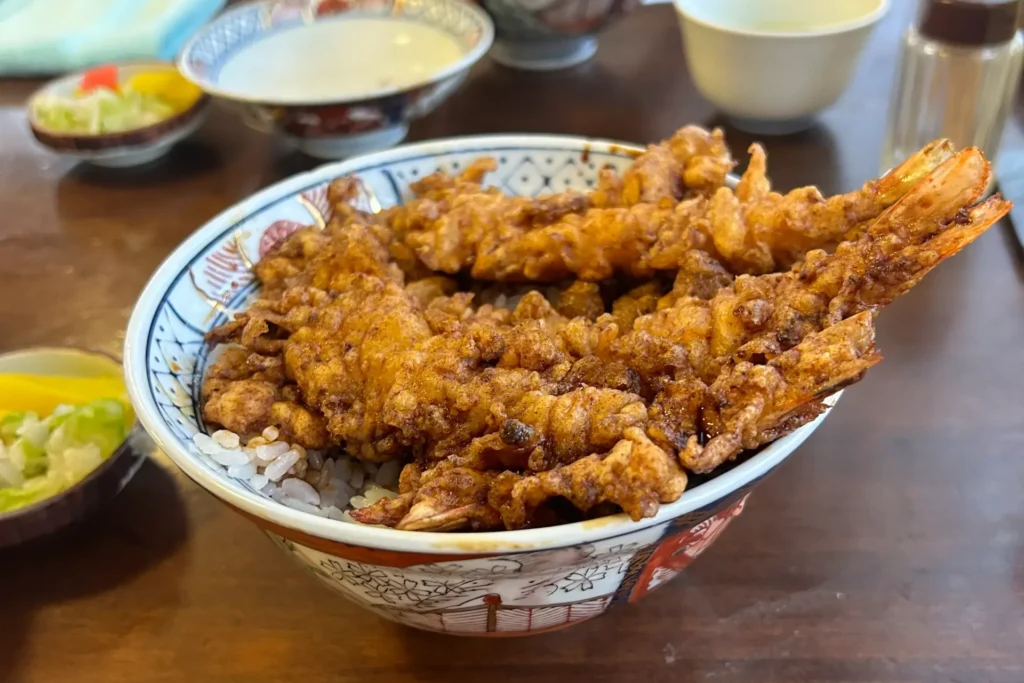
Daikokuya’s Signature Tendon
After enjoying the night view, return to Asakusa for tendon at the long-established Daikokuya Tempura.
Tendon is a classic Japanese dish of tempura served over rice with a sweet and savory sauce. Daikokuya is known for fragrant tempura fried in sesame oil and coated in a rich, dark sauce.
The bowl we ordered came with a large tempura shrimp extending beyond the lid. The sauce-soaked rice was especially satisfying after a full day of walking.
Because fatigue often catches up with you on the first day, return to your hotel early and rest for tomorrow.
DAY 2 Discover Modern Tokyo
Shinjuku Harajuku Shibuya
8:00–22:10
Walk 95 min
Train 71 min · 2 transfers
¥9,000–13,000
Outing time is measured hotel to hotel. Budget is per person; hotels and shopping excluded.
Day 2 takes you through Shinjuku, Meiji Jingu, Harajuku, and Shibuya to experience modern Tokyo, where green spaces and high-energy neighborhoods sit side by side.
Begin with the calm greenery of Shinjuku Gyoen and Meiji Jingu, then spend the afternoon shopping and exploring youth culture in Harajuku and Shibuya. Watch the city from Shibuya Sky around sunset, walk through neon-lit Shibuya after dark, and finish the evening at an izakaya.
This day offers one of Tokyo’s most striking contrasts: quiet gardens and forested shrine paths followed by fashionable streets, crowds, giant screens, and nightlife.
Before you go
- Day 2 involves the most walking, so wear comfortable shoes.
- Takeshita Street is fun but often crowded. A short visit is enough if you dislike very crowded places.
- Miyashita Park is optional, but it is a useful place to rest and shop on the way from Harajuku to Shibuya.
Stroll through Shinjuku Gyoen National Garden
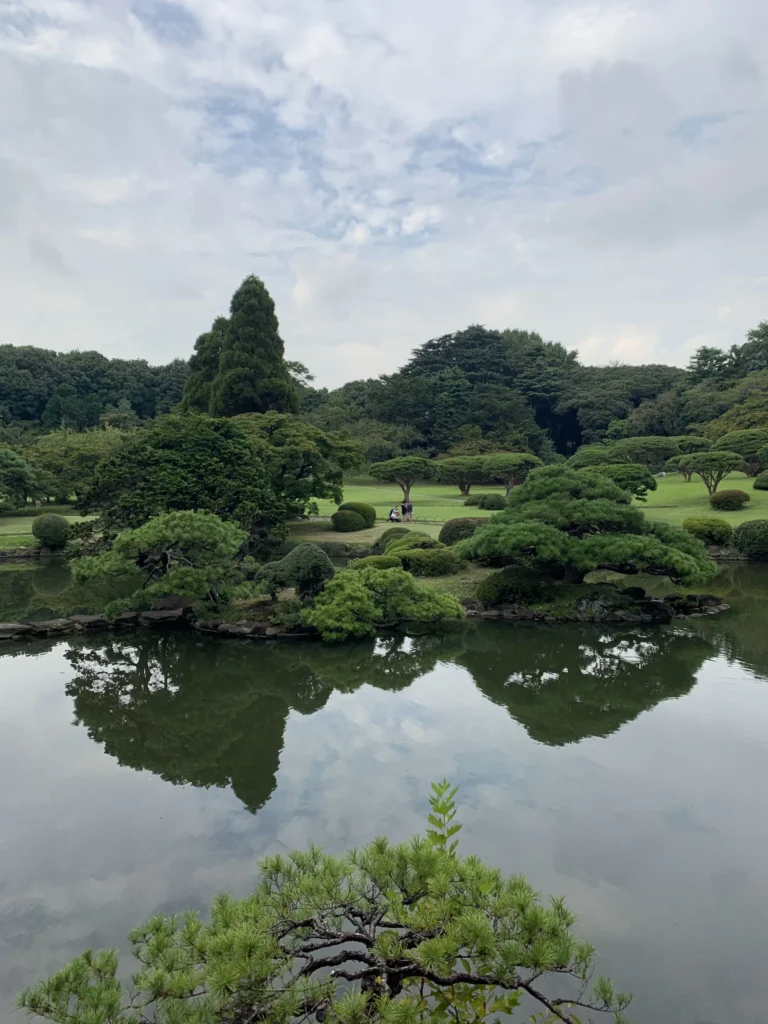
Japanese Garden and Pond
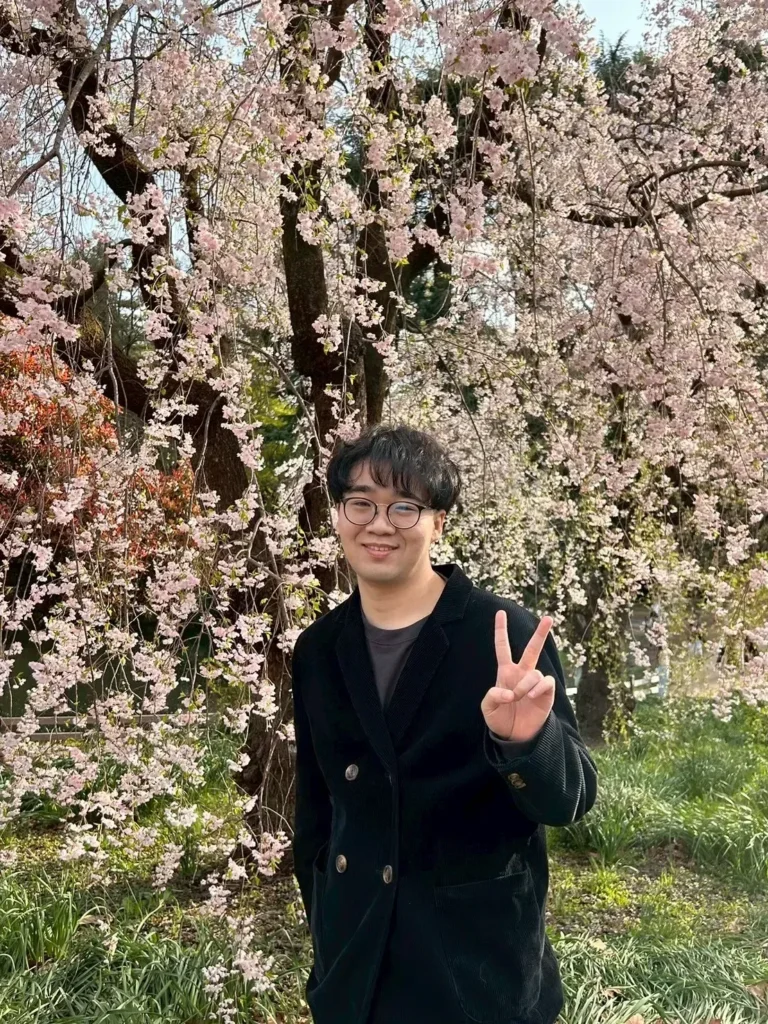
Weeping Cherry Blossoms
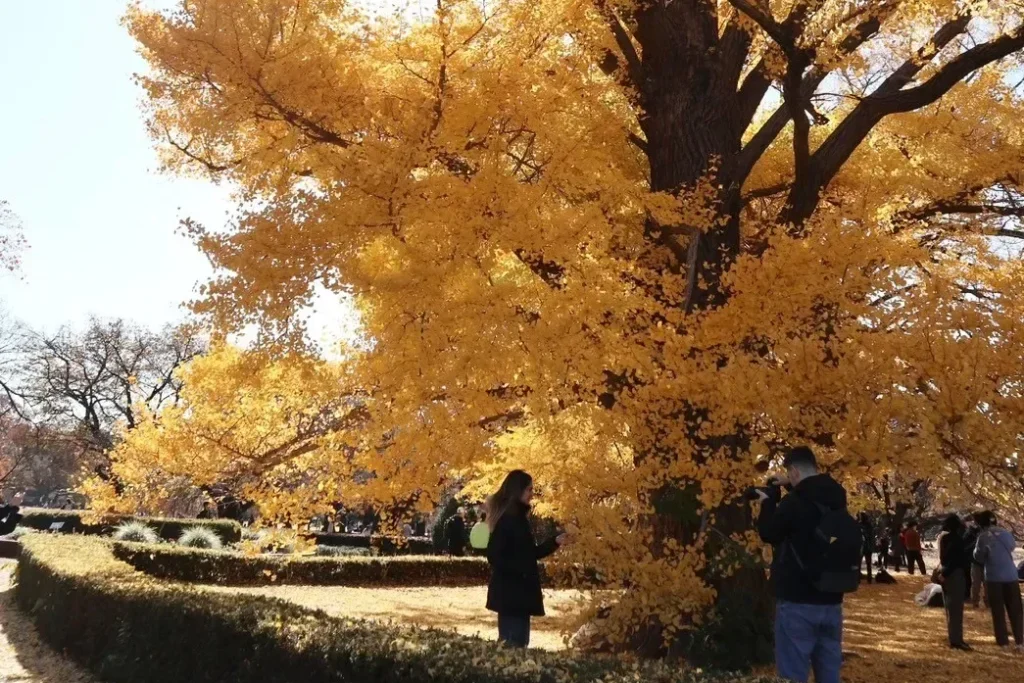
Golden Ginkgo in Autumn
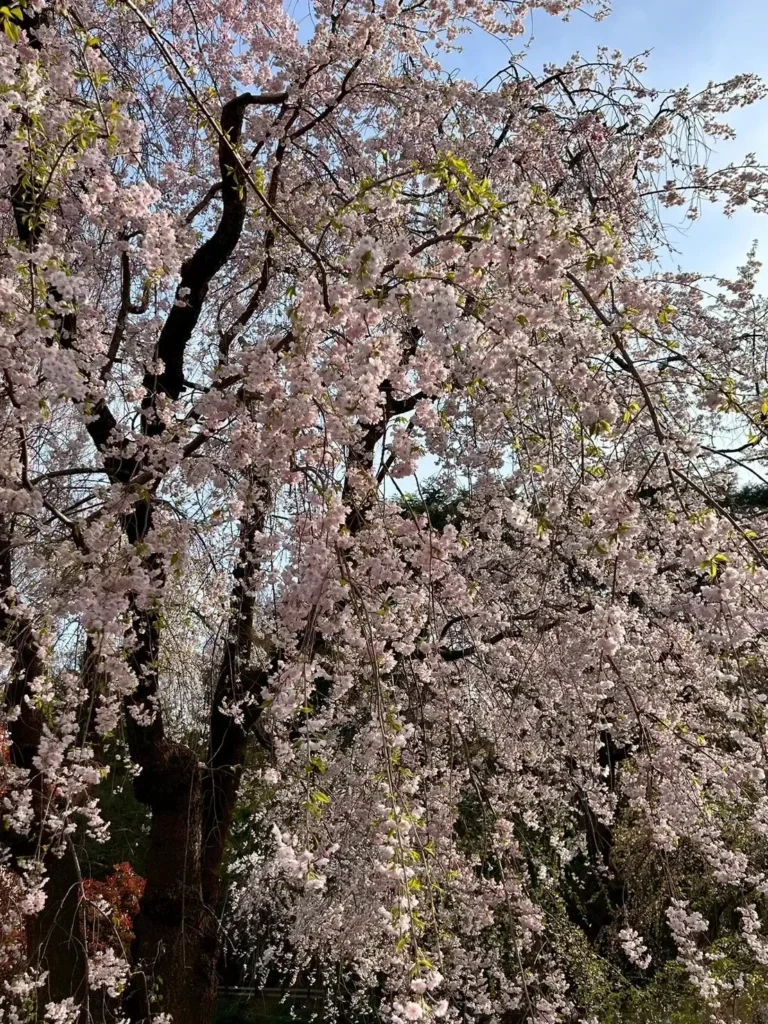
Cherry Tree in Full Bloom
Start the morning at Shinjuku Gyoen, when the garden is relatively quiet and easier to explore at a relaxed pace.
The park offers a surprising amount of calm for central Tokyo. Its seasonal scenery includes cherry blossoms, autumn leaves, ponds, bridges, and a traditional Japanese garden.
There is also a Starbucks inside the grounds, making it easy to enjoy coffee surrounded by greenery before a long day of sightseeing.
Visit Meiji Jingu and Learn Japanese Shrine Etiquette
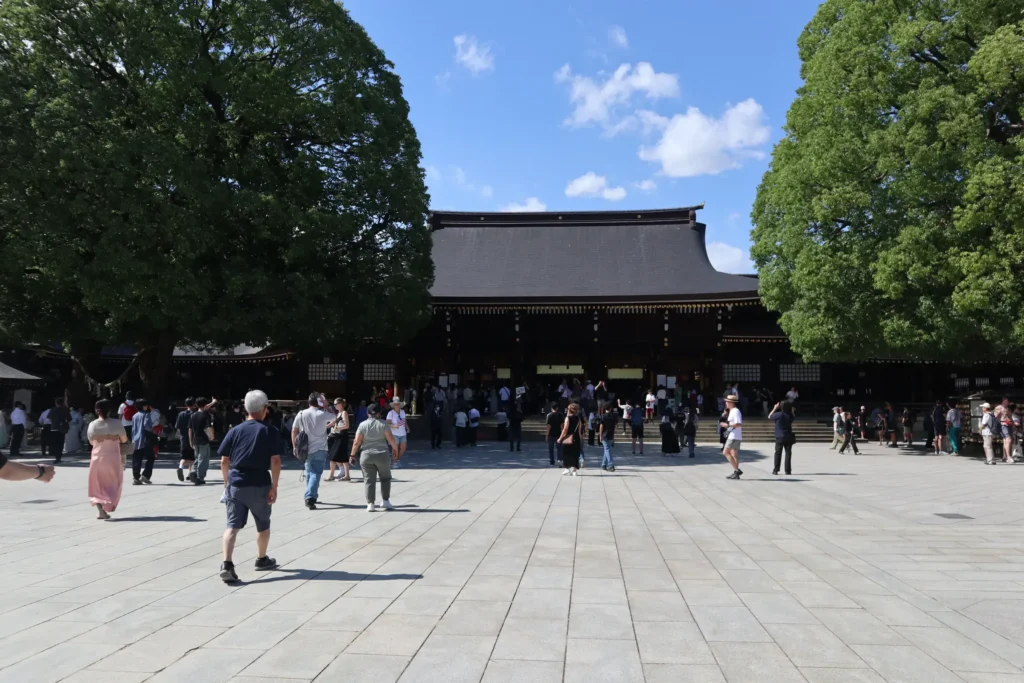
Meiji Jingu Shrine Courtyard
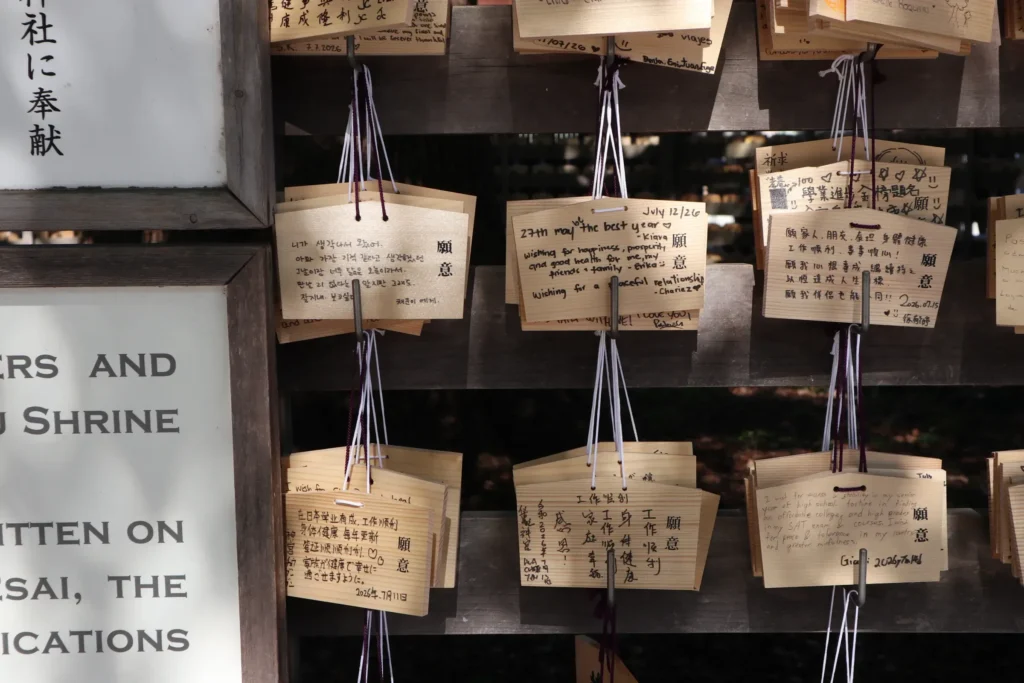
Ema Plaques at Meiji Jingu
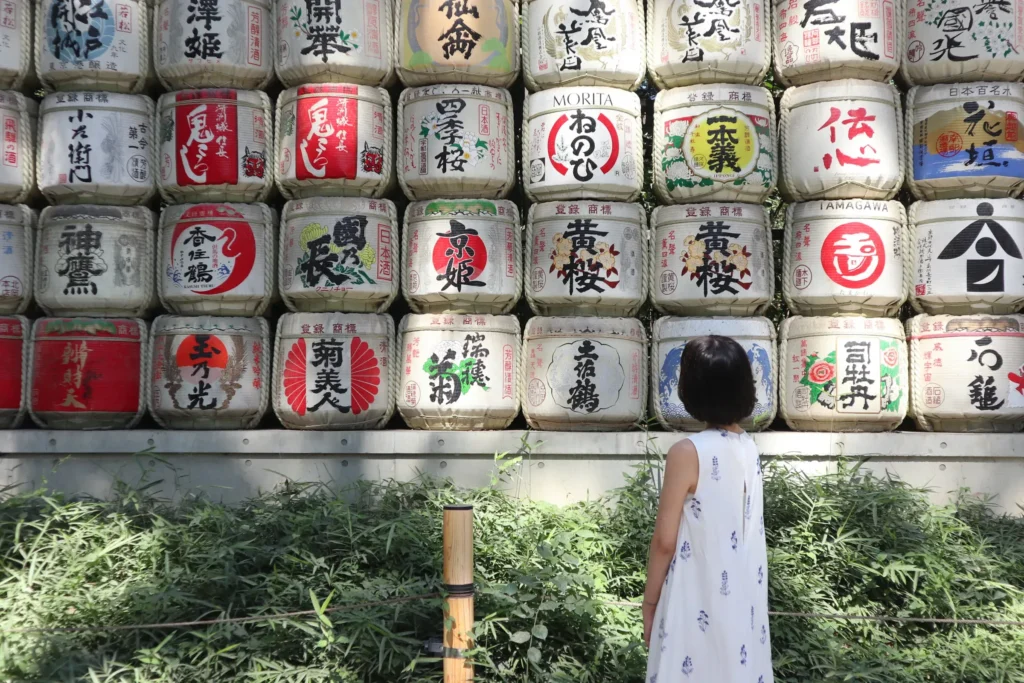
Sake Barrels at Meiji Jingu
Travel toward Harajuku and visit Meiji Jingu.
Founded in 1920, Meiji Jingu is one of Tokyo’s most important Shinto shrines and is dedicated to Emperor Meiji and Empress Shoken. It is especially famous for attracting large numbers of visitors during the New Year season, and many people also visit to pray for good relationships and a happy marriage.
Although the shrine is close to Harajuku Station, its forested grounds feel calm and removed from the city. Let’s walk along the approach path surrounded by trees, experience the purification ritual at the water ablution pavilion, and learn how to pay respects at the shrine.
Good to know
- You may wish to use a small coin when making an offering, so keep some change ready.
Try Creative Udon at Menchirashi in Harajuku
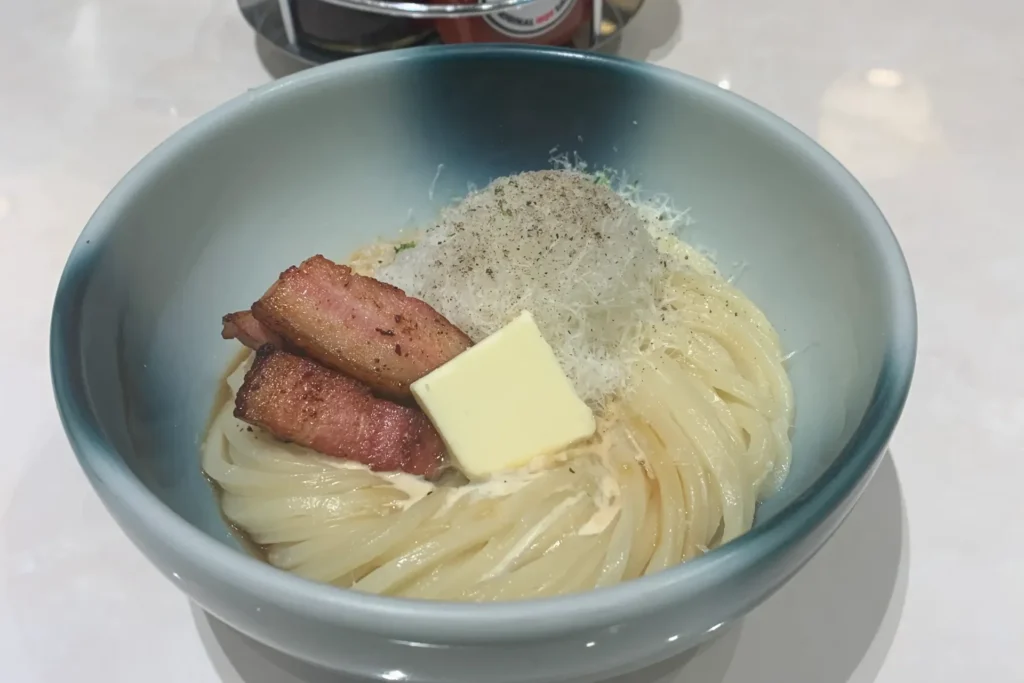
Creamy Carbonara Udon
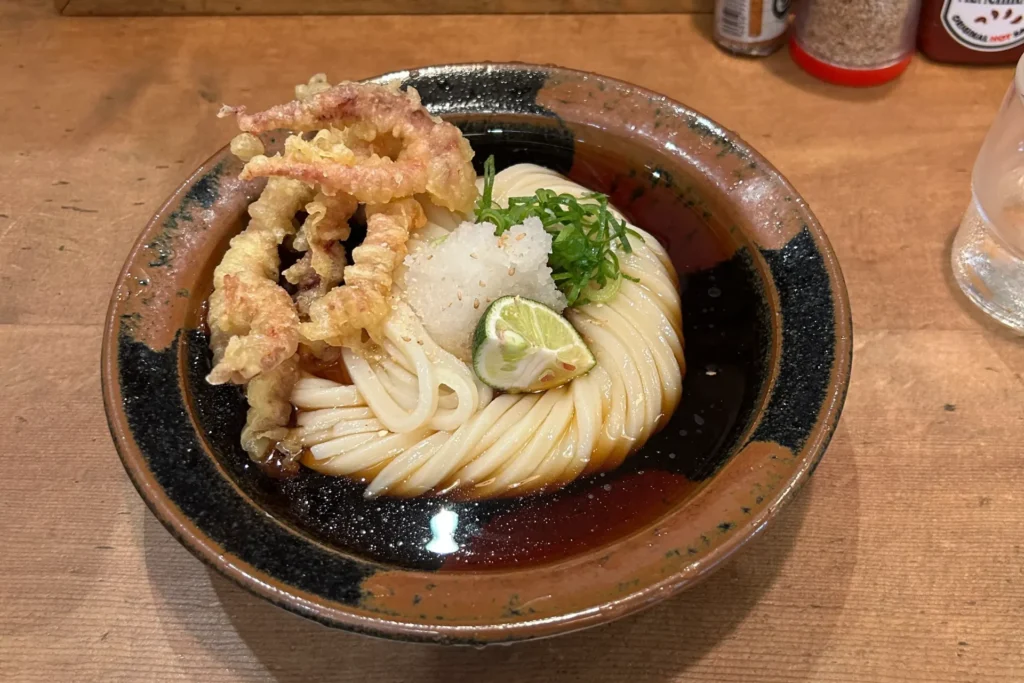
Cold Bukkake Udon with Squid Tempura
For lunch, try udon, one of Japan’s classic noodle dishes. Udon noodles are thick, chewy, and made from wheat flour.
Menchirashi is popular with international visitors. We ordered its carbonara udon and a cold bukkake udon topped with tempura.
The carbonara udon is rich and creamy, combining bacon, cheese, butter, and black pepper. For a more traditional Japanese flavor, choose bukkake udon, served with a concentrated soy-based sauce. The cold noodles have a smooth texture and a satisfying chew.
The restaurant is popular and may have a line, so allow some flexibility in your schedule.
Discover Harajuku from Takeshita Street to Omotesando
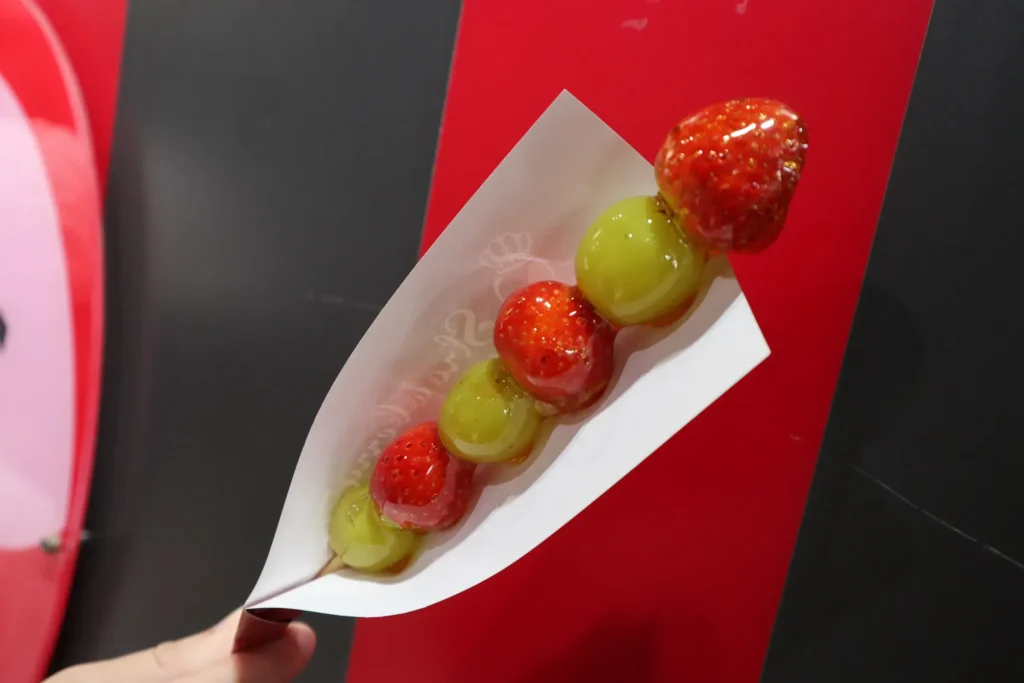
Candied Fruit Skewer in Harajuku
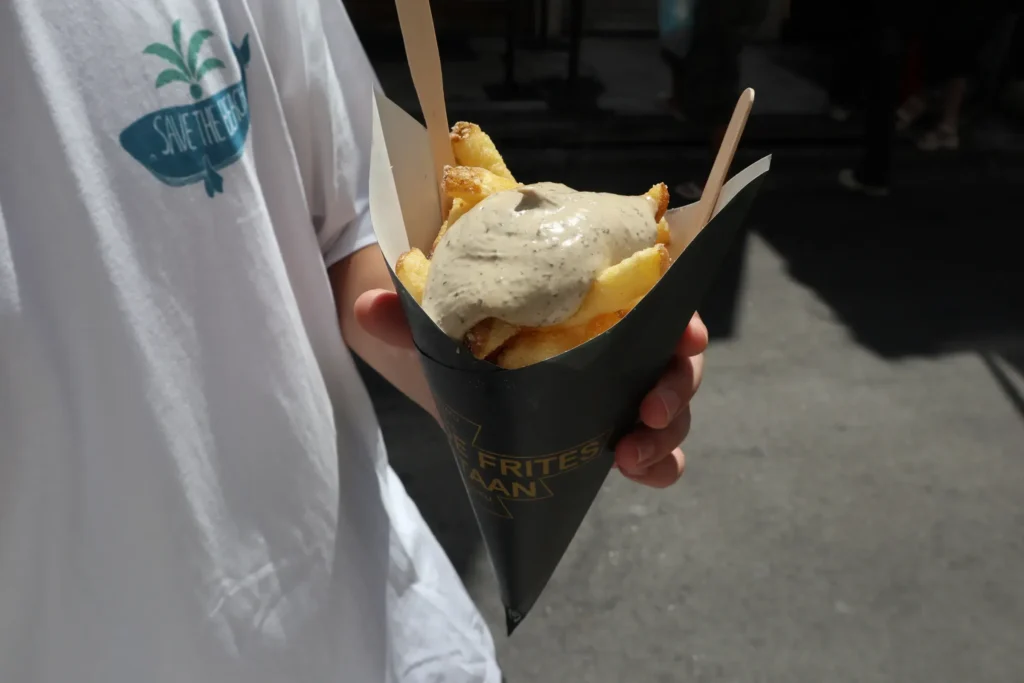
Long Fries in Harajuku
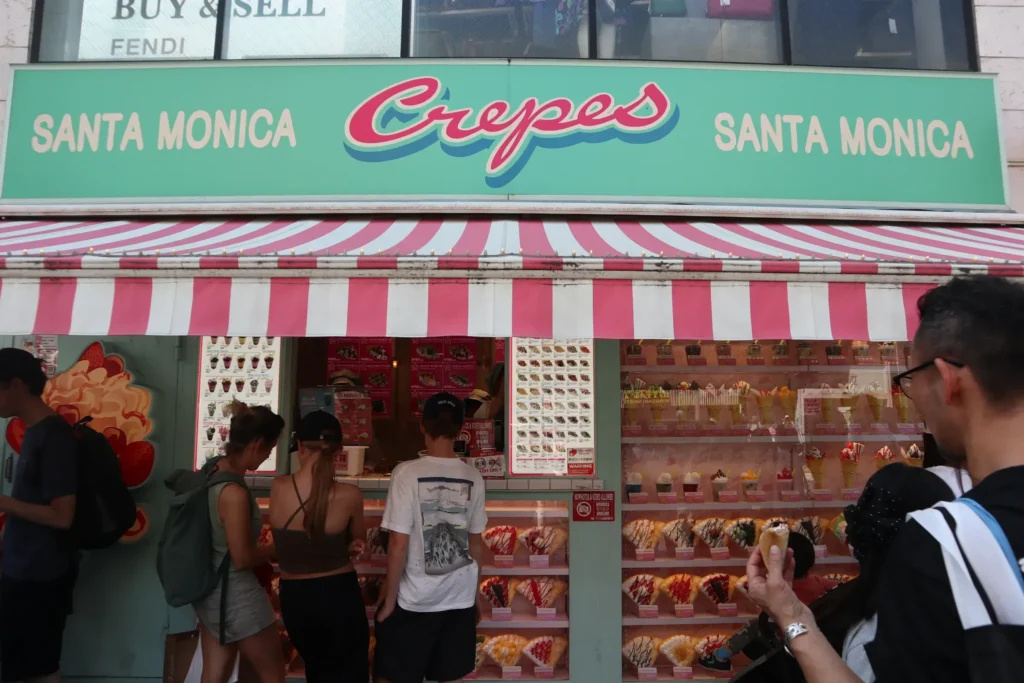
Santa Monica Crepes in Harajuku
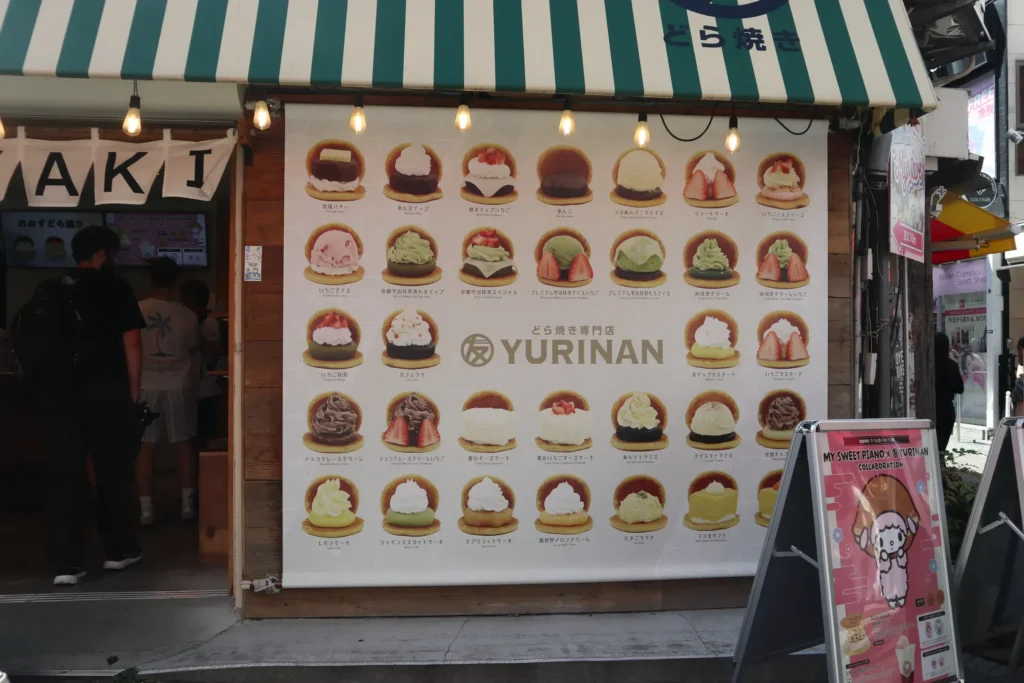
Yurinan Dorayaki Sweets Menu
To experience Japan’s kawaii culture, head to Takeshita Street in Harajuku. The area is packed with colorful sweets, unusual accessory stores, and fashion shops.
Popular snacks include crepes, rainbow cotton candy, and candied strawberries. Even a short walk gives you a strong sense of Harajuku’s playful energy.
The street can become extremely crowded. If you prefer a calmer atmosphere, move on to nearby Omotesando, where polished architecture, cafés, and international fashion brands offer a very different side of the neighborhood.
Things to know
- Some Takeshita Street shops accept cash only, so carry a little extra cash.
Relax and Shop at Miyashita Park
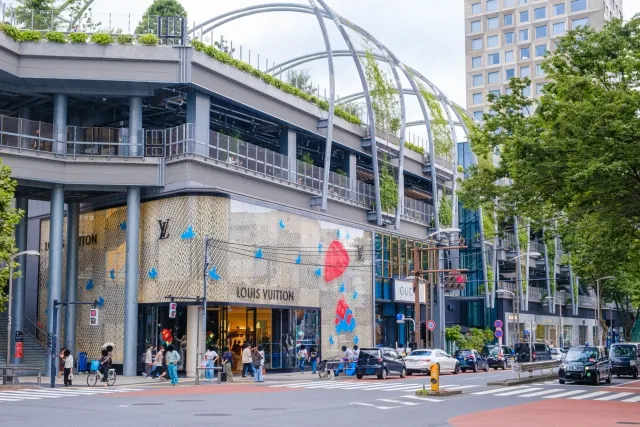
Miyashita Park Exterior
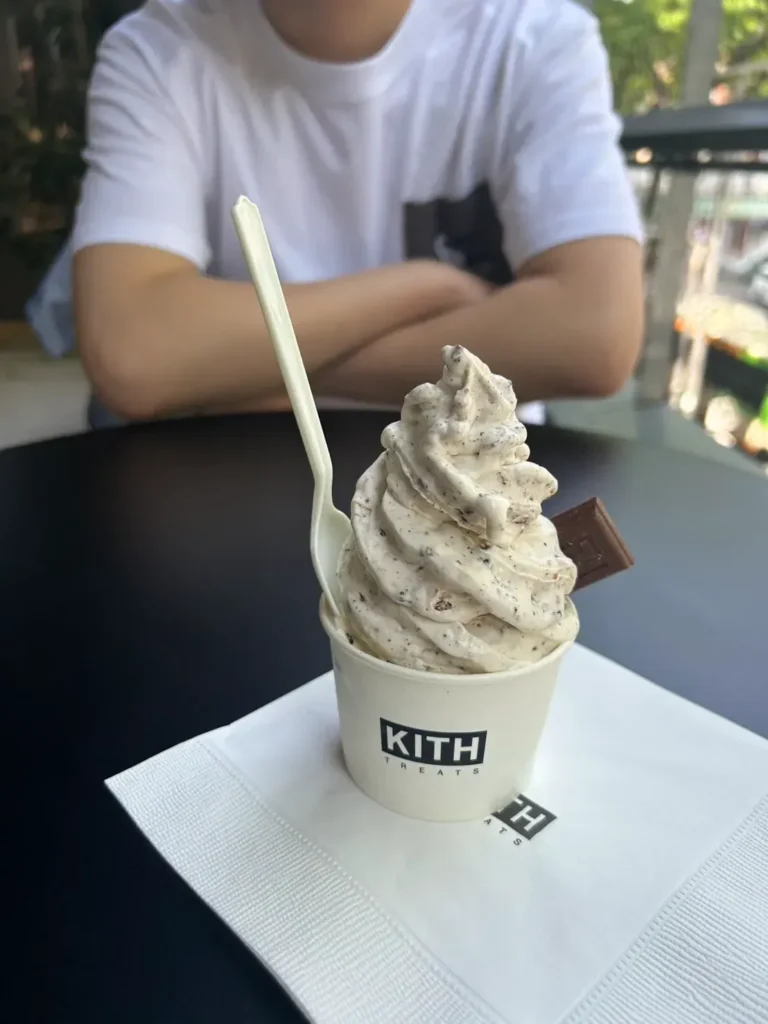
Kith Treats Ice Cream
After plenty of walking, take a break at Miyashita Park in Shibuya.
The complex is a popular place for shopping, dining, and meeting friends, making it a good place to experience a more everyday side of Tokyo alongside Shibuya’s trend-focused atmosphere.
Inside, you will find Japanese brands, popular shops, and cafés such as Café Kitsuné and Kith Treats. Because Miyashita Park is on the way from Harajuku to Shibuya Sky, it works well as a convenient stop for coffee, dessert, and shopping.
See Shibuya Crossing from Shibuya Sky
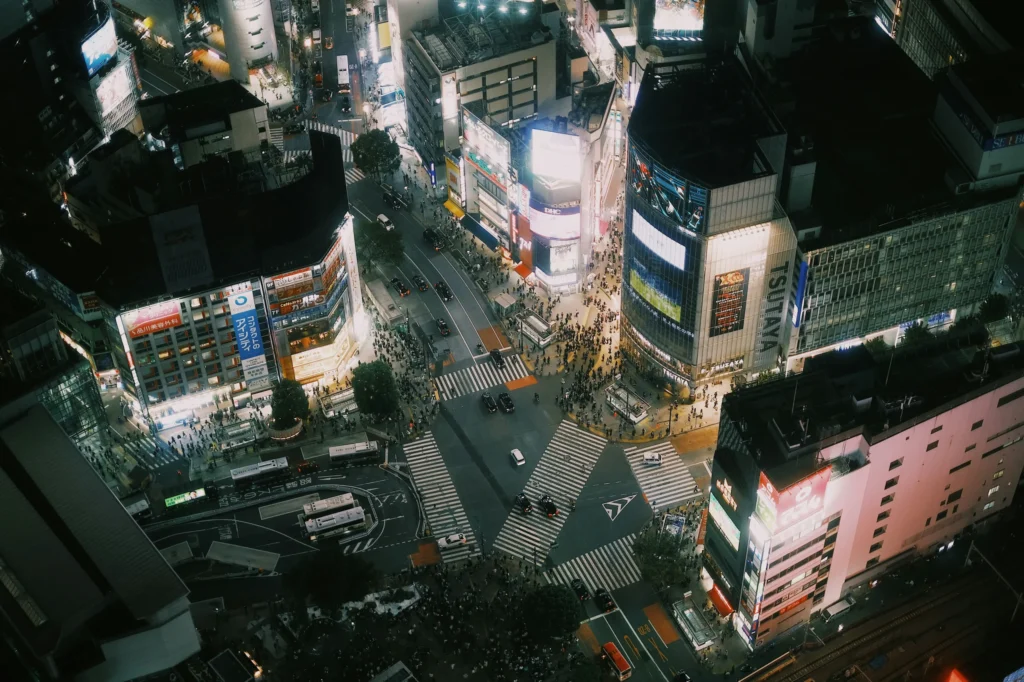
Shibuya Crossing from Above
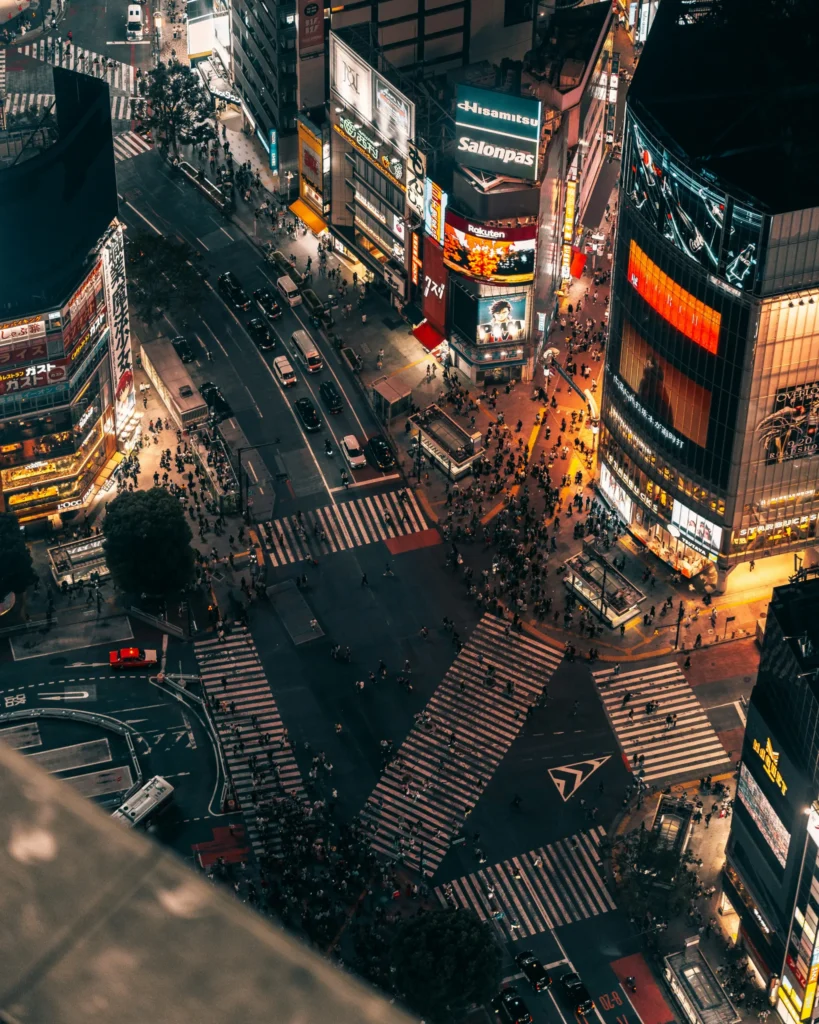
Aerial Night View of Shibuya Crossing
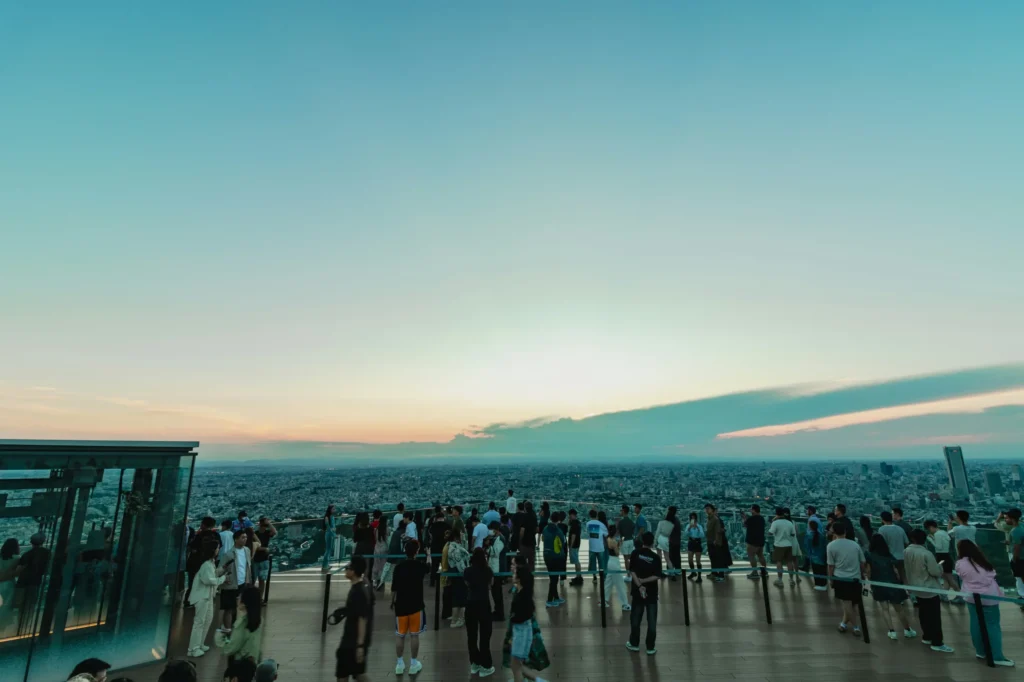
Shibuya Sky Rooftop at Sunset
As sunset approaches, head to Shibuya Sky to watch Tokyo change from daylight to night.
The observation facility occupies the upper floors and rooftop of Shibuya Scramble Square, around 229 meters above ground. From the open-air rooftop, you can enjoy a 360-degree view across Tokyo and look directly down on the world-famous Shibuya Crossing.
On clear days, you may also see Tokyo Tower, Tokyo Skytree, and Mount Fuji. Sunset and evening time slots can sell out, so reserve tickets in advance.
Experience Izakaya Culture at Torikizoku
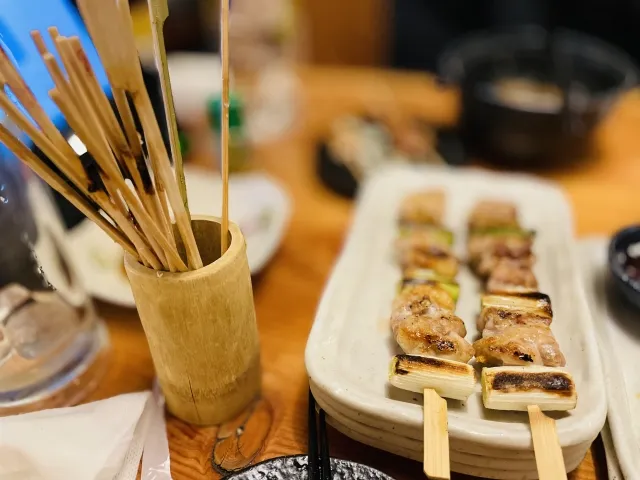
Yakitori Skewers at Torikizoku
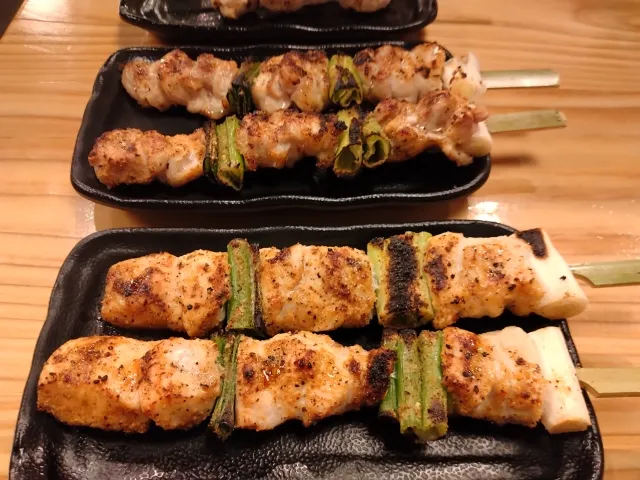
Grilled Chicken Skewers at Torikizoku
Finish Day 2 at Torikizoku, a casual place to experience everyday Japanese izakaya culture.
Torikizoku is a popular yakitori chain that is especially popular with office workers and groups of friends. Its lively, informal atmosphere feels different from that of a restaurant designed mainly for tourists.
Yakitori consists of chicken and vegetables grilled on skewers, usually seasoned with salt or a sweet soy-based sauce. The menu also includes fried dishes and rice dishes.
One item we order every time is kamameshi, rice cooked to order in a small pot. The fluffy rice absorbs the savory broth and makes an excellent final dish.
Orders can be placed using a touchscreen, making the restaurant easy to use even if you do not speak Japanese.
Explore Shibuya Crossing and the Neon-Lit Streets at Night
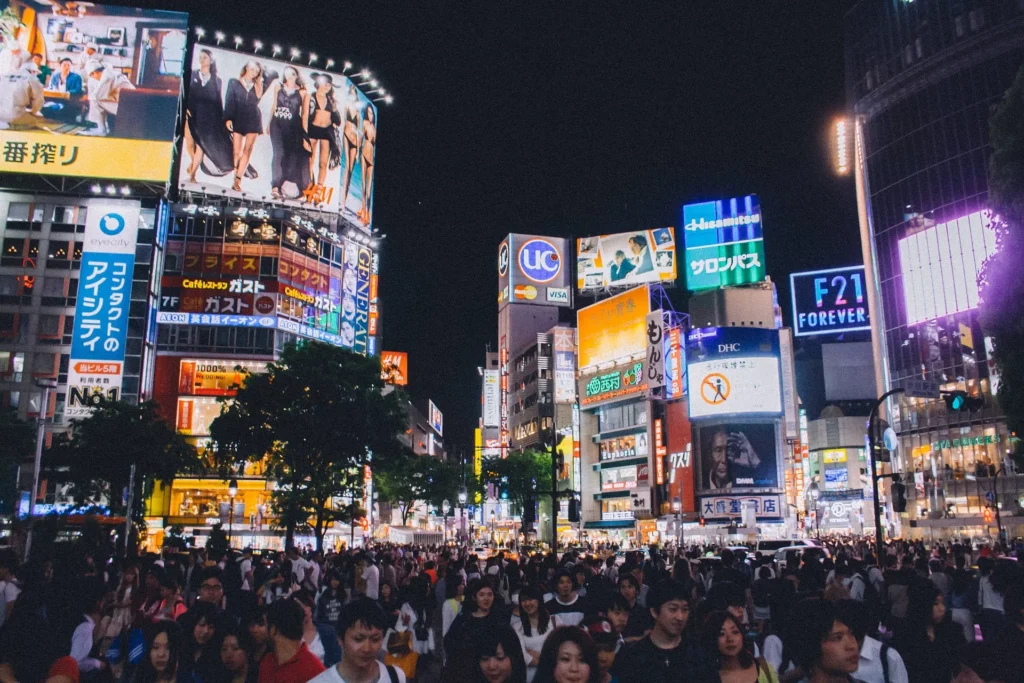
Shibuya Scramble Crossing at Night
After dinner, walk through Shibuya at night.
Begin at Shibuya Crossing, where crowds move through the intersection from every direction. Joining the flow in person feels far more dramatic than seeing it in photos or videos.
Then explore the area around Shibuya 109 and Center-gai. Neon signs and giant video screens light up the streets, giving the district a completely different energy from the daytime.
You do not need a specific destination. Simply walking through the area is enough to experience the intensity of Shibuya at night.
DAY 3 Explore a More Refined Side of Tokyo
Tsukiji Azabudai Tokyo Station
8:20–20:40
Walk 76 min
Train 39 min · 1 transfer
¥11,000–18,000
Outing time is measured hotel to hotel. Budget is per person; hotels and shopping excluded.
Day 3 combines Japanese food culture with modern architecture, digital art, and a polished central-Tokyo atmosphere.
Begin with fresh sushi and the energy of Tsukiji, continue to Tokyo Tower and Azabudai Hills, then spend the afternoon at teamLab Borderless before ending the trip at Tokyo Station.
Because much of the route follows the Hibiya Line through central Tokyo, the day is relatively easy to navigate.
Enjoy a Sushi Breakfast at Tsukiji Outer Market
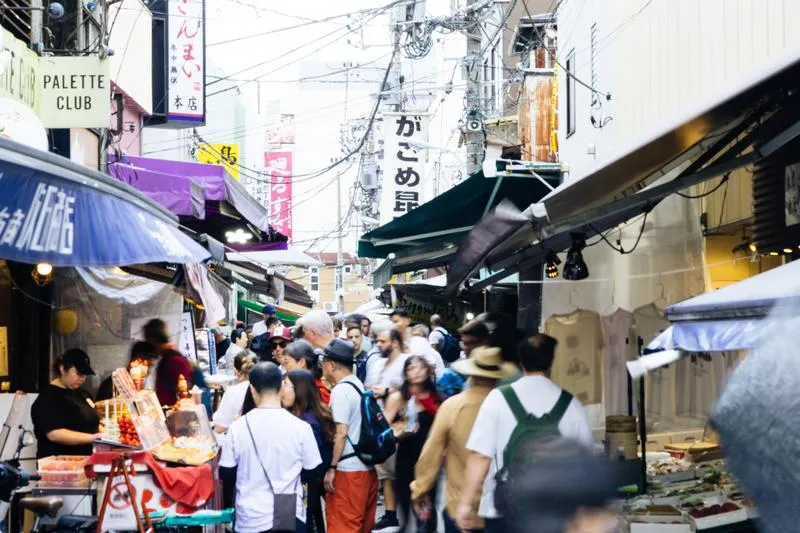
Tsukiji Market Street
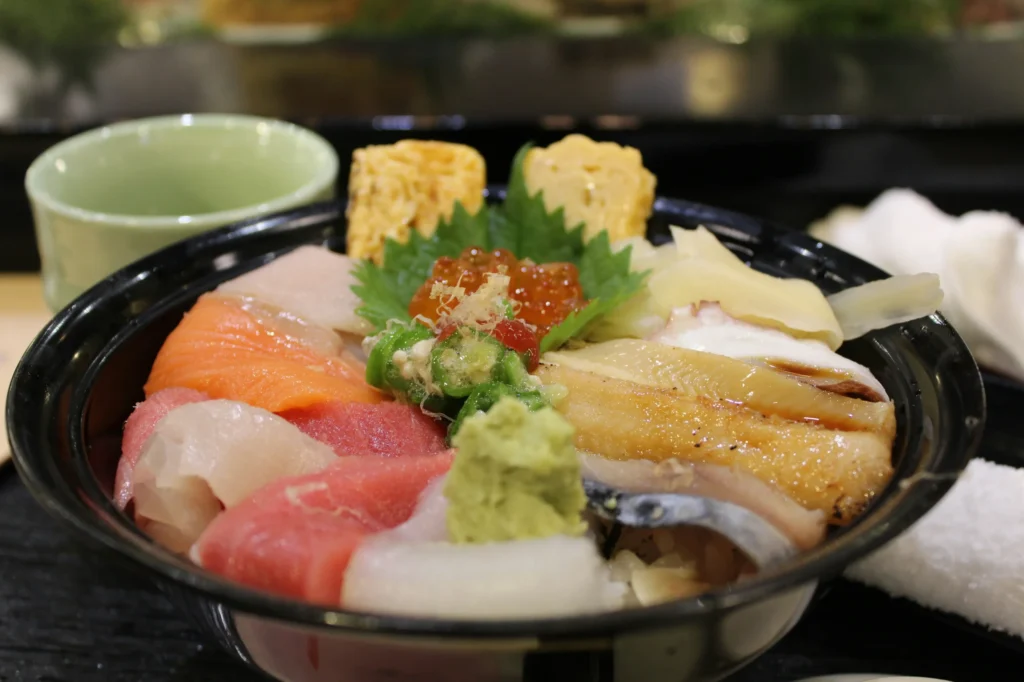
Sushi Breakfast Bowl
Eating sushi for breakfast is not common in everyday Japanese life, but Tsukiji offers a special chance to try morning sushi.
Once home to Japan’s largest fish market, Tsukiji remains filled with sushi shops and seafood restaurants that become lively from early morning. It is a memorable place to enjoy fresh seafood while experiencing the atmosphere of a traditional market district.
You will also find tamagoyaki, wagyu skewers, and other street foods. Begin the day with a slightly indulgent breakfast and enjoy Tsukiji at its liveliest time of day.
Take Photos at Tokyo Tower
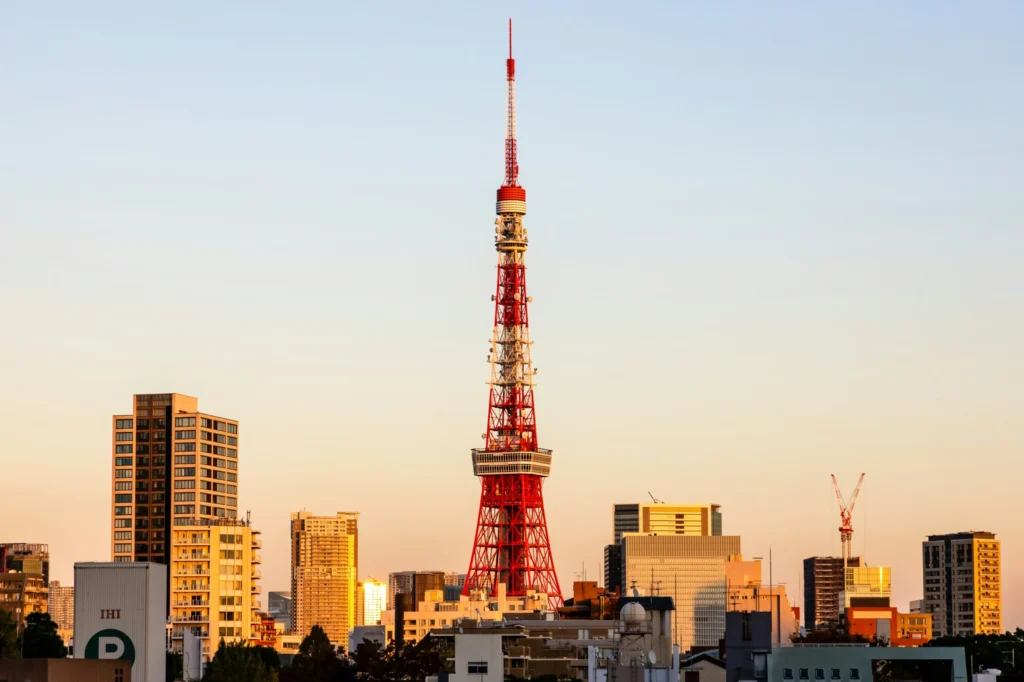
Tokyo Tower at Golden Hour
Next, head to Tokyo Tower, one of the city’s most recognizable landmarks.
You do not need to visit the observation deck to enjoy it. The red-and-white structure is especially photogenic, and the surrounding streets and Shiba Park offer several good viewpoints.
With more time, go up for a city view. With less time, focus on taking photos and enjoying a short walk around the area.
Try Japanese Tonkatsu at Azabudai Hills
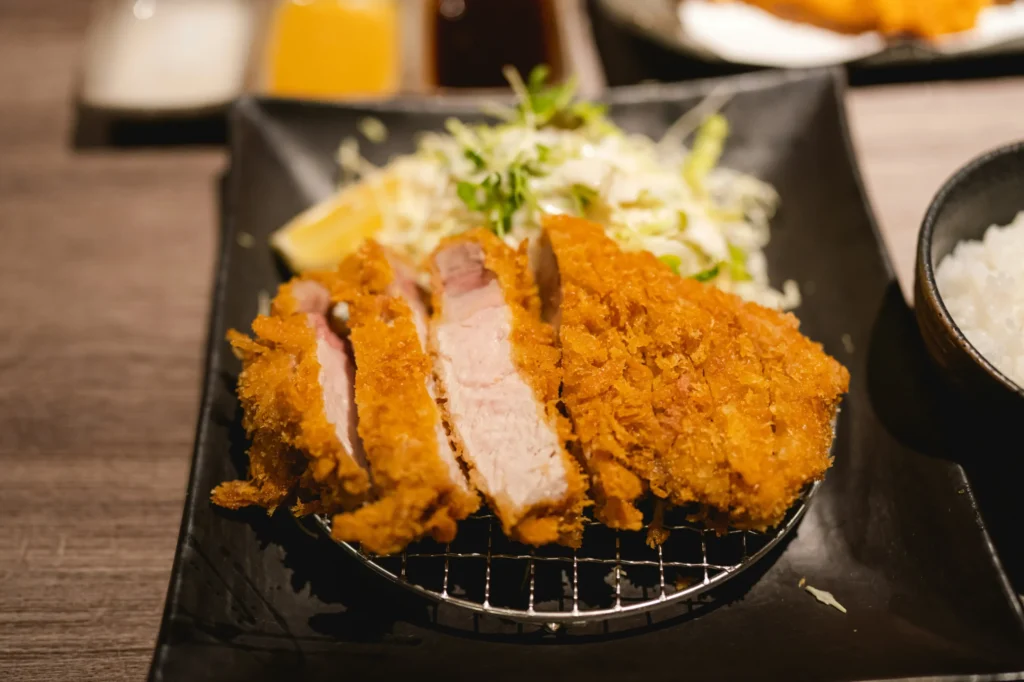
Crispy Tonkatsu at Azabudai Hills
After exploring the area, stop for lunch at Azabudai Hills.
Tonkatsu Kawamura serves tonkatsu, a Japanese dish of breaded and deep-fried pork. The restaurant receives many international visitors and offers smartphone ordering, making it easier to order without speaking Japanese.
Explore the Immersive Art at teamLab Borderless
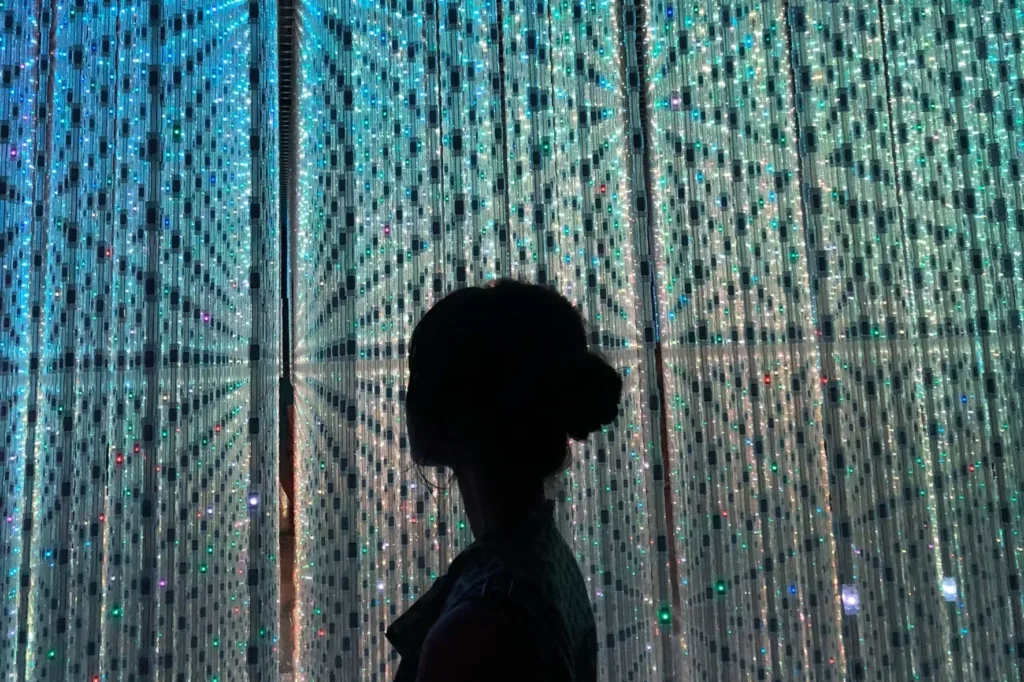
teamLab Borderless Light Installation
ow, let’s head to the second main event of Day 3: teamLab Borderless.
Located in Azabudai Hills, teamLab Borderless is a globally popular immersive digital art museum. Its appeal lies in the experience of being enveloped by light and imagery, giving you the sensation that you’ve stepped right into the artwork itself.
With so many fantastical spaces, taking photos and videos is one of the highlights. We got so caught up in taking pictures that time flew by in the blink of an eye.
We recommend leaving some breathing room in your schedule rather than packing too much into the rest of the day.
Because the museum is indoors, it is also a good option on rainy days or during periods of extreme heat. Tickets are popular, so book early.
Shop for Souvenirs at Tokyo Station
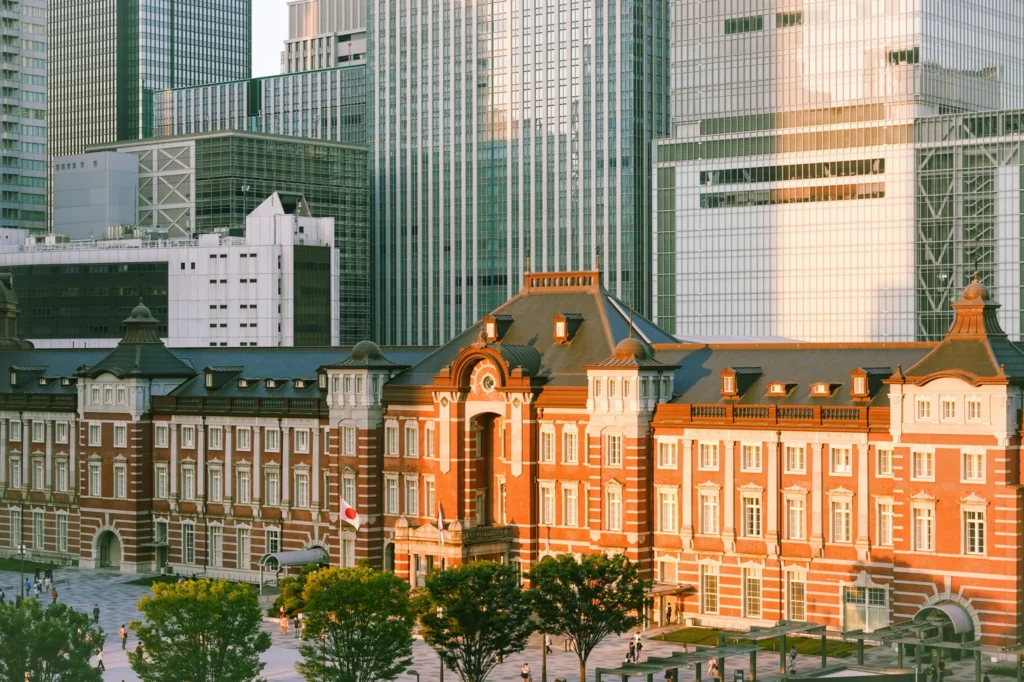
Tokyo Station Marunouchi Building
For souvenirs, explore Tokyo Gift Palette, Tokyo Okashi Land, and Gransta Tokyo. Each offers something different.
Tokyo Gift Palette brings together Tokyo Station exclusives and popular sweets. You can find well-known souvenirs from shops such as Okada Kinsei Anbutter-ya, PISTA & TOKYO, and Tokyo Banana.
Tokyo Okashi Land features limited-edition products from major Japanese snack makers and freshly prepared snacks. One popular item is Calbee Plus’s freshly fried Poterico.
Gransta Tokyo is especially convenient if you are continuing your journey by Shinkansen because many stores are inside the ticket gates. Shops such as COCORIS, The Maple Mania, and AUDREY offer attractive sweets that work well as gifts or treats for yourself.
End the Trip at Tokyo Ramen Street
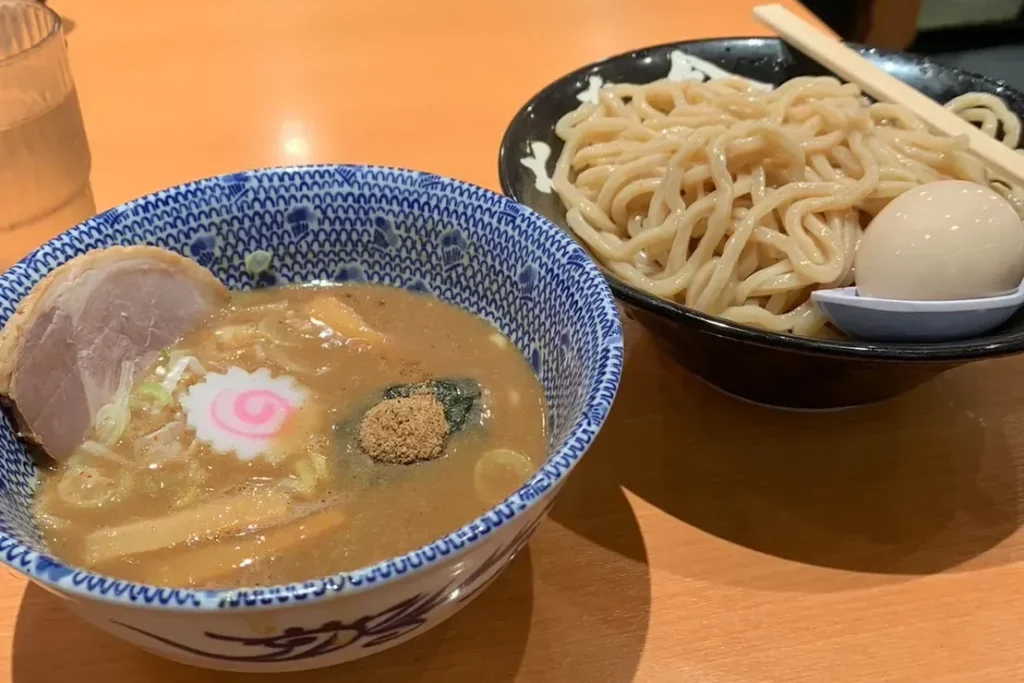
Rokurinsha’s Signature Tsukemen
Ramen is an excellent final meal for a Tokyo trip.
Tokyo Ramen Street, directly connected to Tokyo Station, brings together popular ramen shops from across Japan. Because several restaurants are grouped in one place, you can switch to another shop if one line is especially long.
If choosing only one, we recommend Rokurinsha, known for rich seafood-and-pork-bone tsukemen. The signature dish pairs thick, chewy noodles with a concentrated dipping broth.
The soup combines pork and chicken richness with seafood stock made from ingredients such as dried sardines and bonito flakes. Its deep flavor and aroma work especially well with the substantial noodles.
Enjoy one final bowl at Tokyo Station and bring your three-day trip to a satisfying close.
Plan Your Tokyo Stay
Where to Stay in Tokyo
For this itinerary, we recommend staying around Asakusa.
For this three-day trip, we recommend staying at a hotel in the Asakusa area, which offers convenient access to the attractions included in this itinerary.
On Day 1, you can explore most of the area on foot. On Days 2 and 3, Shibuya is accessible by a direct train, while the other areas can generally be reached in around 30 minutes by train.
Asakusa also offers convenient access to Narita Airport via the Airport Rapid Limited Express.
Recommended Hotel: OMO3 Asakusa by Hoshino Resorts
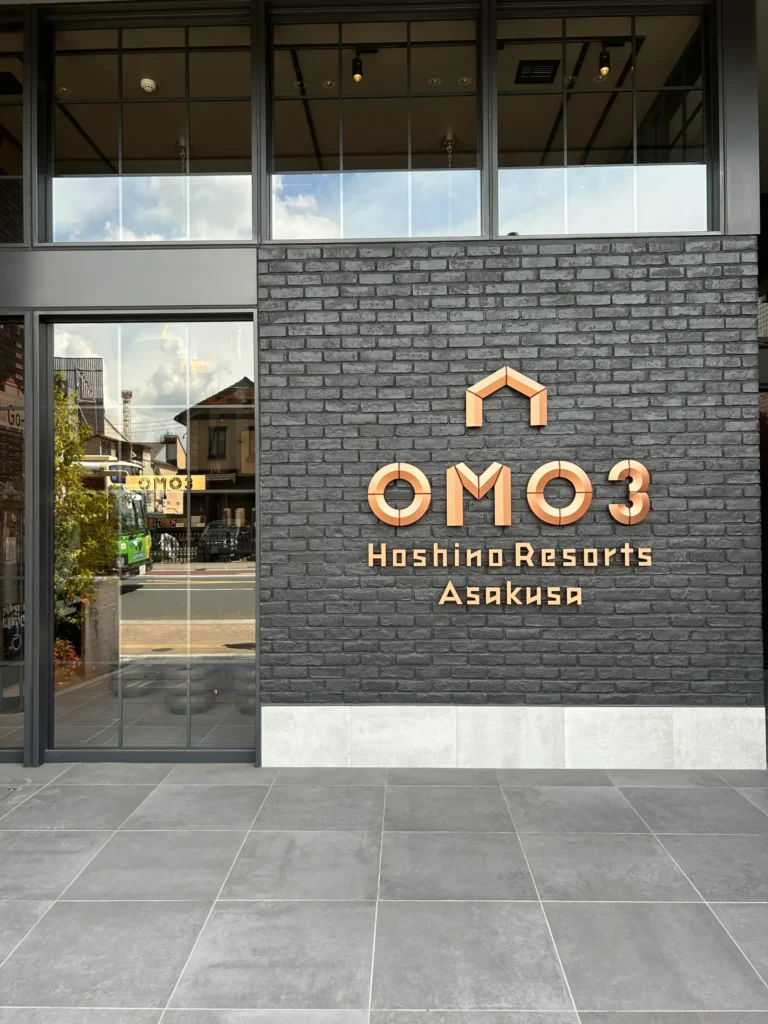
OMO3 Asakusa Entrance
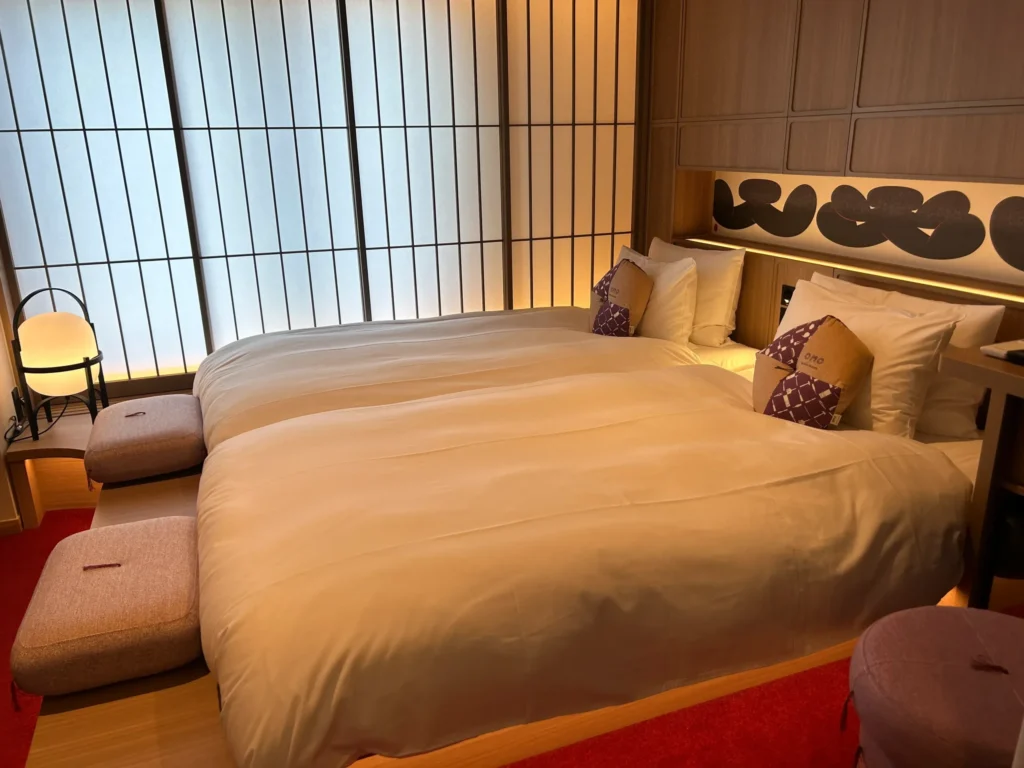
Shoji-Inspired Twin Room
OMO3 Asakusa by Hoshino Resorts has three main strengths.
First, its rooms incorporate design details inspired by the traditional character of Asakusa. In some rooms, opening the shoji reveals a view of Tokyo Skytree.
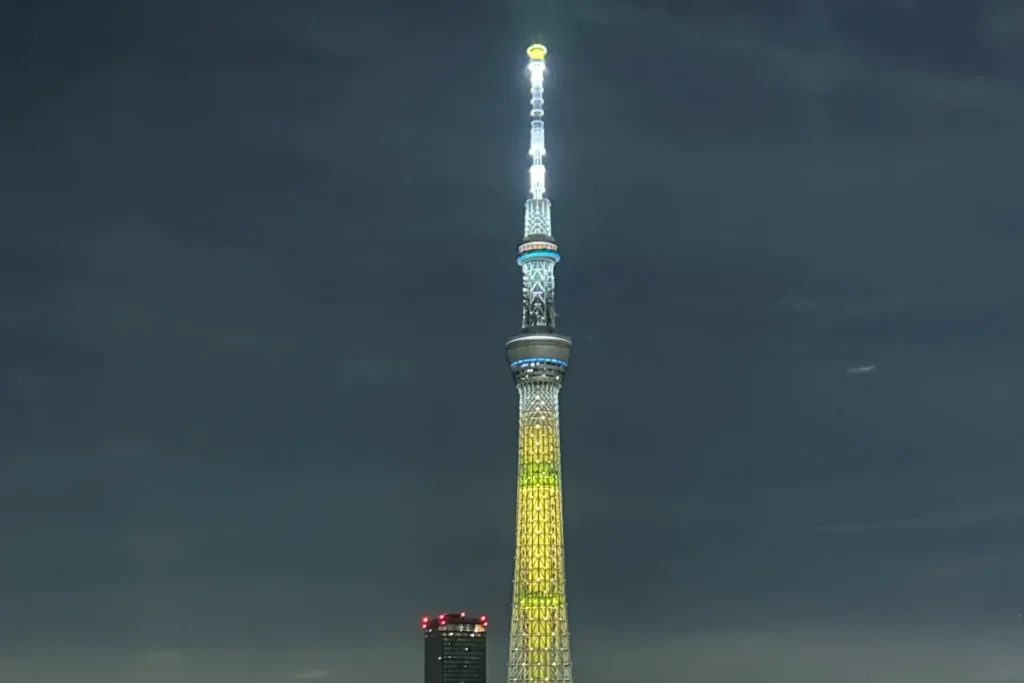
Tokyo Skytree at Night
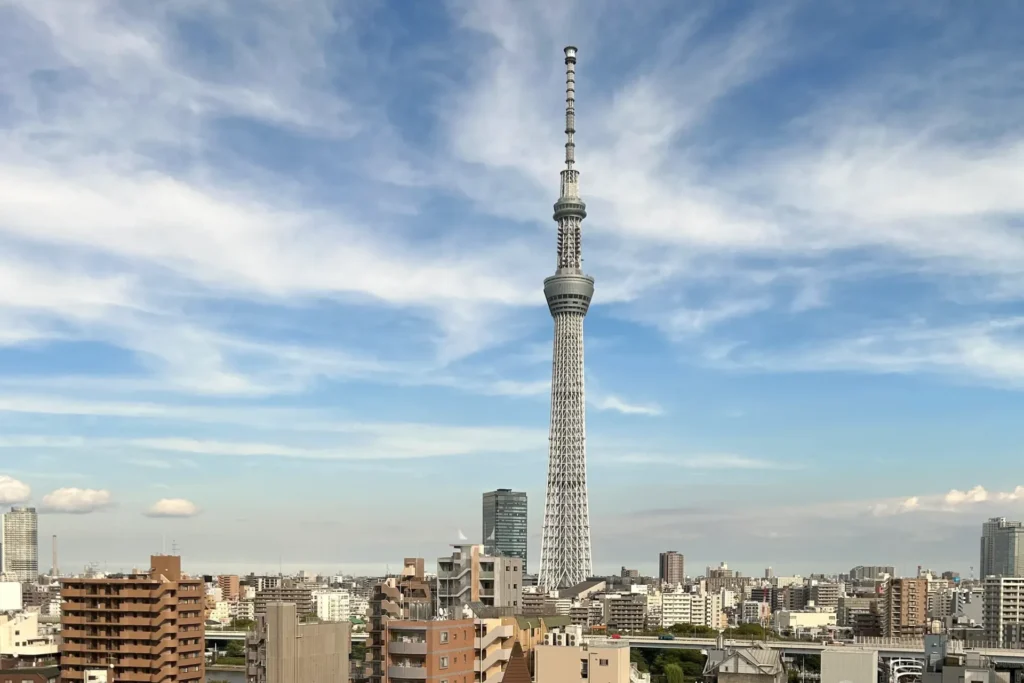
Daytime View of Tokyo Skytree
Second, the rooftop terrace overlooks Asakusa. You can relax with views of Tokyo Skytree and Senso-ji. When we visited at night, the illuminated Skytree stood out beautifully across the city.
Third, the hotel has an in-house shop selling bread from popular Tokyo bakeries and other breakfast items. Because you are not tied to a fixed breakfast time, it works well for travelers who want to begin sightseeing early.
The hotel’s convenient location, views, and design allow you to enjoy the character of Asakusa even while relaxing at the hotel.
What to Book in Advance
To keep your Tokyo itinerary running smoothly, book or arrange the following before your trip.
Kimono Rental
Book in advance to start your morning sightseeing on schedule. Remember to allow time for kimono dressing and hairstyling.
Reservations may fill quickly during cherry blossom and fall foliage seasons.
Tokyo Skytree
Same-day tickets may be available, but waiting in line could disrupt your itinerary. We recommend purchasing tickets in advance.
Shinjuku Gyoen
Reservations are usually not required. However, advance booking may be introduced on certain dates during cherry blossom season. Check the official website before visiting.
SHIBUYA SKY
Timed-entry tickets are required, and late-afternoon and evening slots are especially popular. Book early if you want to visit around sunset or after dark.
teamLab Borderless
Tickets are sold for specific entry times. Popular slots and weekends may sell out, so book once your travel dates are confirmed.
What We Wouldn’t Prioritize
For a first three-day visit, we would not prioritize the following:
Golden Gai and Kabukicho
These areas are great for anyone looking to experience Japan’s vibrant nightlife and bar-hopping scene. Keep in mind that they can get very crowded at night, so stay mindful of street touts and hidden cover charges. For a similar energetic vibe, Shibuya is another fantastic spot to explore after dark.
Shopping in Ginza
Ginza is known for its famous restaurants, department stores, and luxury brand boutiques. However, since this area is bustling with tourists, it can be difficult to have an experience unique to Japan. For a three-day itinerary, it’s best to prioritize other areas.
Spending Half a Day in Ueno
Ueno is a good choice for travelers interested in museums, galleries, and art. Unless there is a specific museum or attraction you want to visit, your limited time may be better spent elsewhere in Tokyo.
One Comment
Comments are closed.