
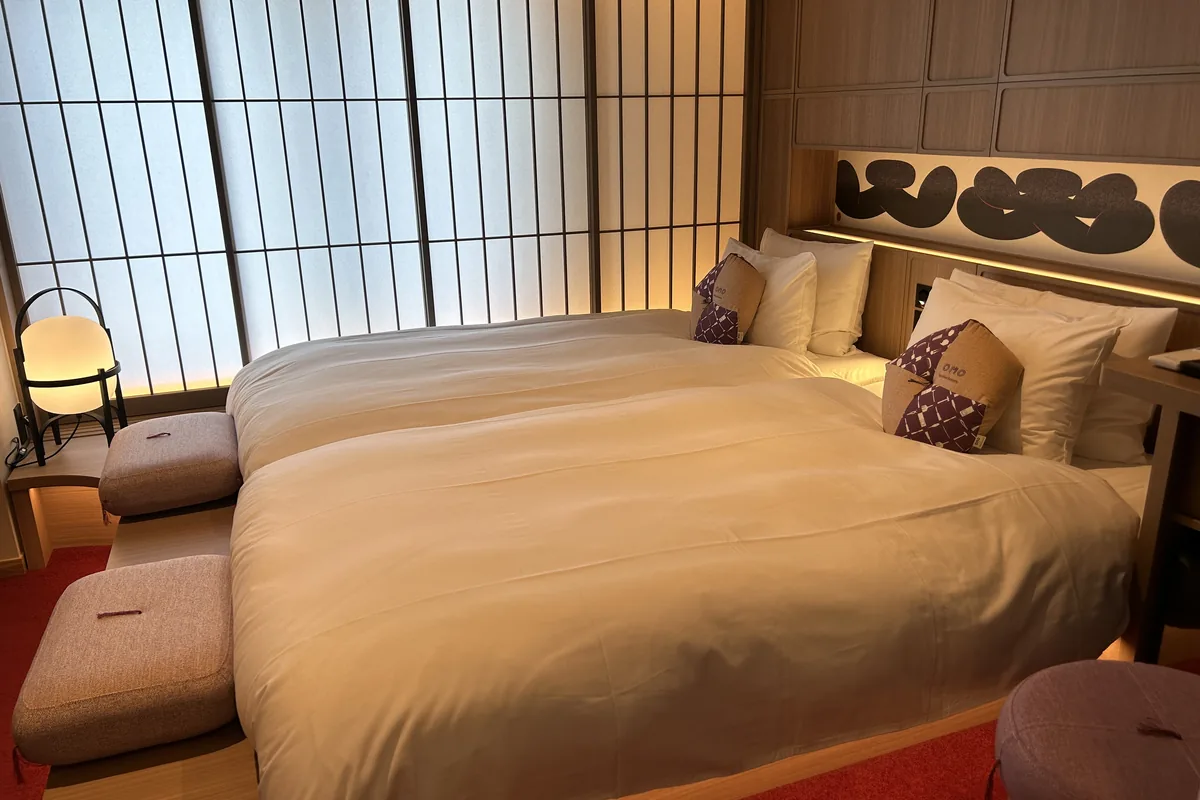
Where to Stay in Tokyo: Choose the Best Area for Your Itinerary
On a first trip to Tokyo, it is easy to choose a famous area like Shinjuku or Shibuya simply because you know the name. But if you are spending several days in the city, it makes more sense to choose where you stay based on your itinerary.
In this guide, we compare Tokyo stay areas using our recommended 3-day Tokyo itinerary and our perspective as Tokyo locals.
By matching your hotel location to your itinerary, you can spend less time getting around and more time enjoying the city.
Affiliate disclosure: This article contains some affiliate links. If you make a booking through one of these links, Japan Itinerary Lab may earn a commission at no additional cost to you.
Choose Where to Stay in Tokyo Based on Your Itinerary
Start by narrowing down the areas that best match your itinerary. Click a card to jump to the hotel recommendations for each area.
Main Choices
First-Time Tokyo Stay
Ginza
Enjoy upscale shopping, dining, and city walks, with easy access to Tsukiji and Tokyo Station. A convenient, well-balanced base for first-time visitors to Tokyo.
Balanced BaseNarita Access + Local Tokyo
Ueno
With easy Narita access and relatively affordable hotels, Ueno also offers local food, museums, and parks for travelers who want to experience everyday Tokyo.
Affordable StayAsakusa Experience + Skytree
Asakusa
Senso-ji, traditional streets, and long-established restaurants create a classic Tokyo atmosphere. It is also ideal for visiting Tokyo Skytree and seeing Kaminarimon lit up at night.
Old TokyoTransport Access + Things to Do
Shinjuku
Department stores, neon streets, Shinjuku Gyoen, and plenty of restaurants make Shinjuku lively from day to night. A good choice if you value both transport access and things to do after sightseeing.
All-Round HubContemporary Culture + Nightlife
Shibuya
Fashion, music, nightlife, and landmarks such as Shibuya Scramble Crossing make Shibuya ideal for travelers who want to fully experience contemporary Tokyo culture.
Trendsetting TokyoCity Walks + Shinkansen Access
Tokyo Station / Marunouchi
Enjoy the historic station building, the Imperial Palace, shopping, dining, and city walks, with convenient Shinkansen access. Its calmer atmosphere also makes it suitable for families.
Onward TravelFor Specific Priorities
Quiet Central Stay
Akasaka
Quieter than Shinjuku or Shibuya, with convenient access to central Tokyo. A good choice if you value calm and convenience more than entertainment near your hotel.
Calm & CentralHaneda Airport + Onward Travel
Shinagawa
With easy Haneda access, station-connected hotels, shopping, and Shinkansen services, Shinagawa is a practical base for travelers continuing to another city.
Transit BaseNext, we compare six popular areas for first-time visitors using the same 3-day Tokyo itinerary. This shows how much your hotel base can change your daily travel time and number of transfers.
Comparing 6 Tokyo Stay Areas Using Our Recommended 3-Day Itinerary
For this comparison, we use our recommended 3-day Tokyo itinerary for first-time visitors.
| Day | Area | Main Sights |
|---|---|---|
| DAY 1 | EAST TOKYO | Asakusa / Tokyo Skytree |
| DAY 2 | WEST TOKYO | Shinjuku / Meiji Jingu / Harajuku / Omotesando / Shibuya |
| DAY 3 | CENTRAL TOKYO | Tsukiji / Tokyo Tower / Azabudai / Tokyo Station |
It covers major areas many first-time visitors want to see, including Asakusa, Shinjuku, Shibuya, and the Tokyo Station area.
How We Compare the Areas
We compare each area based on the travel needed at the beginning and end of each sightseeing day.
To keep the comparison consistent, we use one reference station for each area rather than a specific hotel.
What the comparison includes:
Outbound
Reference station → first sightseeing spot of the day
Return
Last sightseeing spot of the day → reference station
Travel between sightseeing spots during the day is not included because it does not change based on where you stay.
Tokyo Stay Areas Compared by a 3-Day Itinerary
| Area | 3-Day Total | DAY 1 · EAST | DAY 2 · WEST | DAY 3 · CENTRAL |
|---|---|---|---|---|
| GINZA | ≈ 95 min | ≈ 45 min · Direct | ≈ 40 min · Direct | ≈ 10 min · Direct |
| UENO | ≈ 100 min | ≈ 20 min · Direct | ≈ 60 min · 1 transfer | ≈ 20 min · Direct |
| ASAKUSA | ≈ 115 min | ≈ 10 min · Direct | ≈ 70 min · 1 transfer | ≈ 35 min · 1 transfer |
| SHINJUKU | ≈ 130 min | ≈ 65 min · 1 transfer | ≈ 20 min · Direct | ≈ 45 min · 1 transfer |
| SHIBUYA | ≈ 155 min | ≈ 75 min · Direct | ≈ 25 min · 1 transfer | ≈ 55 min · 1 transfer |
| TOKYO STATIONMARUNOUCHI | ≈ 115 min | ≈ 50 min · 1 transfer | ≈ 50 min · Direct | ≈ 15 min · 1 transfer |
Highlighted cells show the shortest travel time in each column.
How to Read the Travel Times
Travel times include train rides, walking between stations and sightseeing spots, and transfer time.
Times are rounded to the nearest five minutes for planning purposes.
For the Direct / 1 transfer label, we show whichever of the outbound or return journeys requires more transfers.
What We Learned from the Comparison
A Bigger Station Is Not Always More Convenient
Large stations such as Shinjuku and Shibuya serve many train lines, but that does not mean every sightseeing destination is quicker to reach.
Choose your stay area based on how well it matches your itinerary, not simply on the size of the station.
Check Transfers, Not Just Travel Time
In Tokyo, a route that takes a few minutes longer but requires no transfers can sometimes be more comfortable than a slightly faster route with a transfer.
Especially on a first trip to Tokyo, check not only travel time but also the number of transfers and how easy the stations are to navigate.
Best Areas and Hotels to Stay in Tokyo
Hotel Price Guide
We use $ to $$$ to give a general sense of hotel prices for one room for two people per night. Rates vary depending on travel dates, season, and exchange rates.
| Rating | Typical Price for 2 Guests / 1 Room / 1 Night |
|---|---|
| $ | Under $200 |
| $$ | $200–400 |
| $$$ | $400+ |
Ginza | Best for a Well-Balanced First Trip to Tokyo
Ginza is a great choice for first-time visitors who want a balance of sightseeing, dining, and exploring the city on foot. It is close to Tsukiji and Tokyo Station, making it a convenient base for visiting different parts of central Tokyo. The area is also filled with department stores, luxury boutiques, and restaurants. On weekends and public holidays, Chuo-dori becomes pedestrian-only, making it especially pleasant for a leisurely walk.
The neighborhood is relatively calm and also works well for families.
The main downside is cost: hotels and dining tend to be on the expensive side. If your itinerary includes many late nights in Shinjuku or Shibuya, staying farther west may be more convenient.
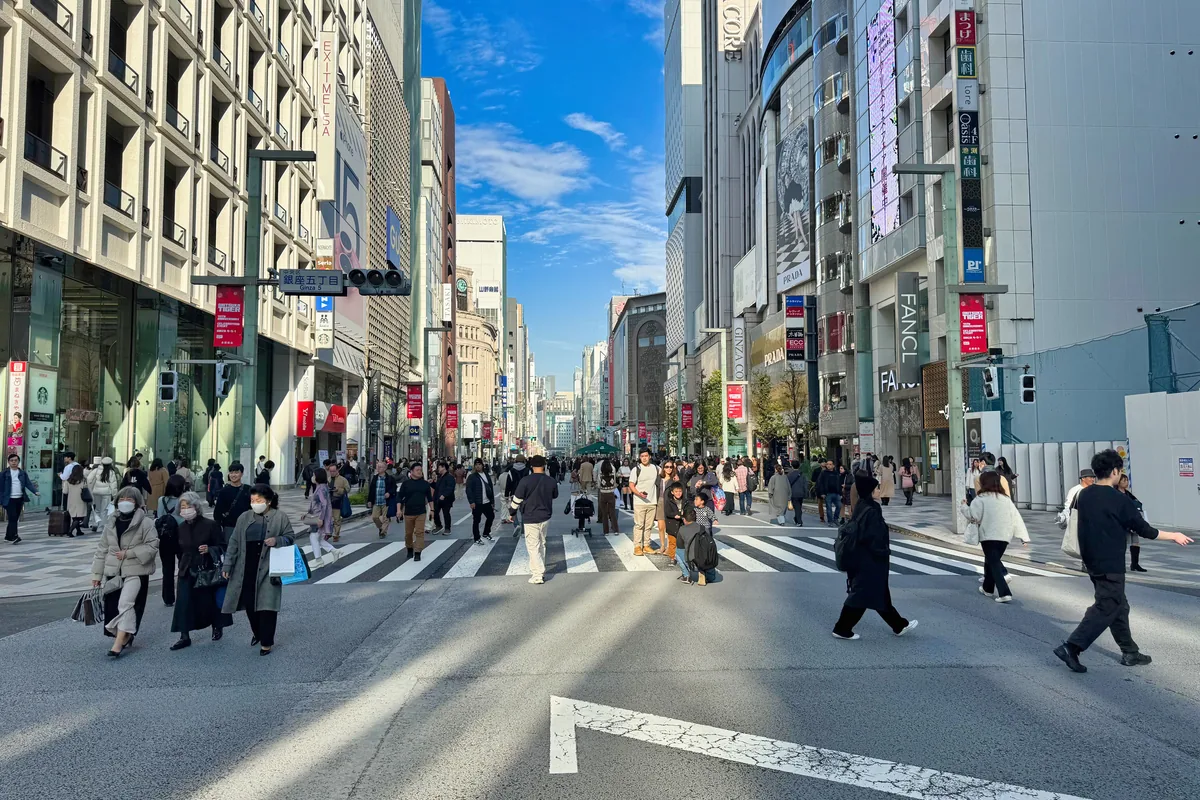
Where we recommend staying: Ginza 4–5-chome / Higashi-ginza side
Look for a hotel with easy access to both Ginza Station and Higashi-ginza Station. Higashi-ginza Station also serves the Toei Asakusa Line, which is convenient for getting to Asakusa and Haneda Airport.
Millennium Mitsui Garden Hotel Tokyo
About a 1-minute walk from Higashi-ginza Station. The hotel is known for its Japanese and Western breakfast buffet, which includes dishes such as sukiyaki and unagi, as well as its calm, modern rooms. It is a good choice if you want to enjoy not only the location but also breakfast and time at the hotel itself.
Tokyu Stay Ginza
Guest rooms include washer-dryers, making this a practical choice for longer stays. It is also about a 1-minute walk from Higashi-ginza Station and suits travelers looking for a relatively affordable stay in Ginza.
Nearby: Both hotels have Lawson and 7-Eleven convenience stores nearby, making it easy to pick up drinks, snacks, and other essentials during your stay. GINZA SIX and Ginza Mitsukoshi also have restaurants if you want a more substantial meal.
Ueno | Best for Sightseeing and Easy Narita Airport Access
Ueno combines cultural and outdoor attractions such as museums, Ueno Park, and the lively traditional downtown atmosphere of Ameyoko. The area also has long-established Western-style restaurants, Japanese confectionery shops, and izakaya, making it a good place to experience a more everyday side of Tokyo through food.
Ueno has many relatively affordable hotels and is also a good choice for travelers who prioritize access to Narita Airport.
The trade-off is that areas close to busy districts such as Ameyoko can feel noisy at certain times of day. If you are looking for a more luxurious and refined stay, Ginza or the Tokyo Station / Marunouchi area may suit you better.
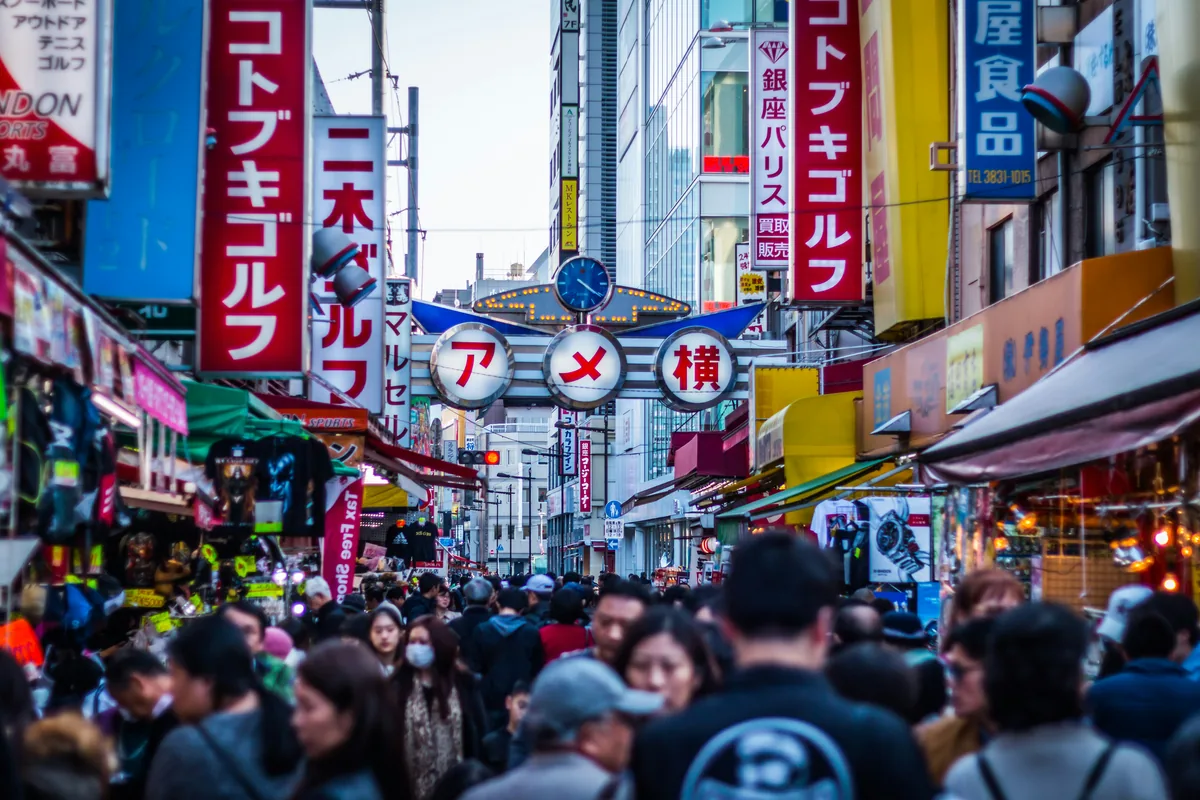
Where we recommend staying: Asakusa Exit / Higashi-Ueno side
We recommend staying somewhere with easy access to both JR Ueno Station and Tokyo Metro Ueno Station. The Higashi-Ueno side is slightly removed from the busiest entertainment streets and tends to feel calmer.
If Narita Airport access is a priority, also check how far your hotel is from Keisei Ueno Station.
Mitsui Garden Hotel Ueno
About a 1-minute walk from Tokyo Metro Ueno Station. It is convenient for travelers who prioritize easy transportation, and the wide-ranging breakfast served at the hotel’s restaurant, iL-CHIANTI, is another highlight. The hotel also has panda-themed rooms, which can be especially fun for families with children.
NOHGA HOTEL UENO TOKYO
The hotel is known for its simple, modern rooms. OSAJI amenities and a breakfast featuring local ingredients are also part of the experience. Workshops and other activities offer opportunities to feel more connected to the Ueno neighborhood during your stay.
Nearby: Both hotels are close to FamilyMart and 7-Eleven, as well as Atre Ueno and UNIQLO, making it easy to pick up food, drinks, and even clothing if needed.
Asakusa | Best for Spending More Time in Asakusa
Asakusa is a great choice if you want to experience Tokyo’s traditional neighborhood atmosphere through Senso-ji, Kaminarimon, historic streets, and long-established Japanese restaurants.
Staying here allows you to explore in the morning before the daytime crowds arrive. At night, you can see a different side of the area, with Kaminarimon, Senso-ji, and Tokyo Skytree illuminated after dark. Asakusa also offers convenient access to Oshiage, making it a good base if Tokyo Skytree is part of your plans.
The downside is that Asakusa can be crowded with visitors during the day, while many shops close relatively early at night. It is less suitable if you want late-night shopping, neon-lit streets, or nightlife like you would find in Shinjuku or Shibuya. Traveling to western Tokyo can also take longer.
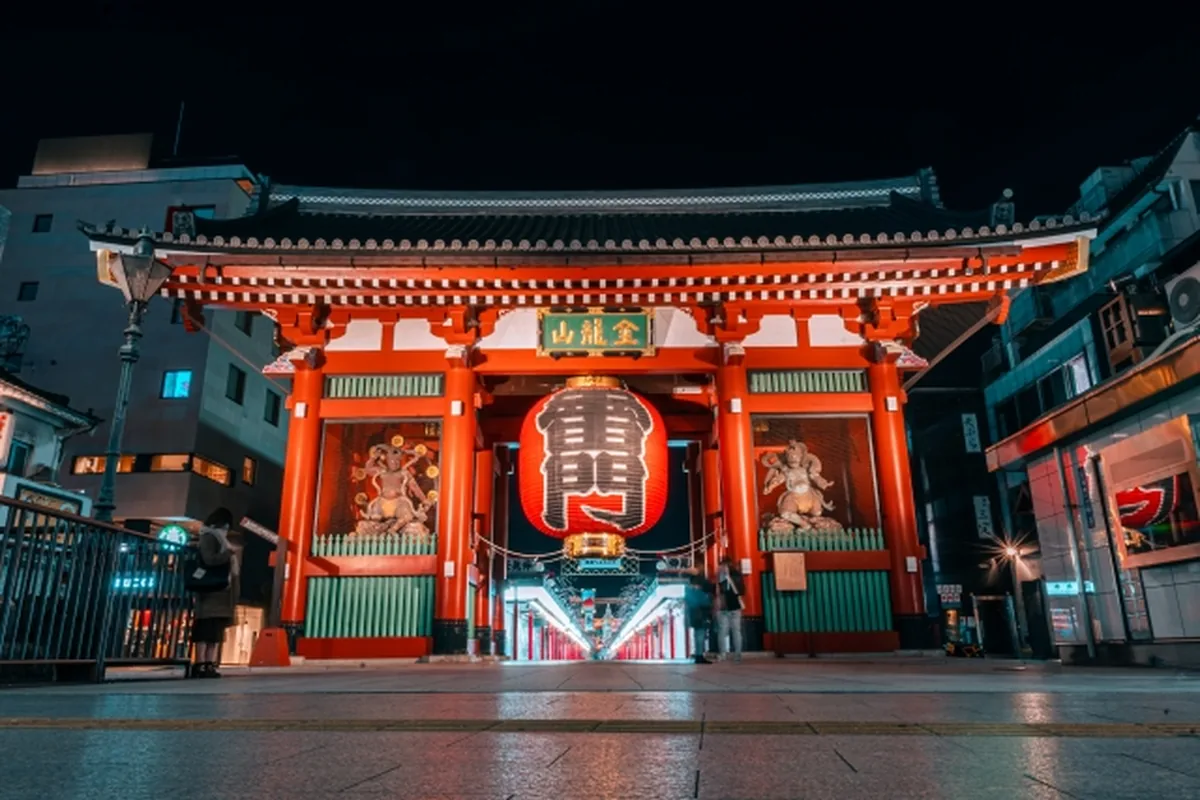
Where we recommend staying: Kaminarimon / Ginza Line and Toei Asakusa Line side of Asakusa Station
The Tsukuba Express Asakusa Station is separate from the Asakusa stations served by the Ginza Line, Toei Asakusa Line, and Tobu Line. If you are using Asakusa as a base for exploring Tokyo, we recommend staying around Kaminarimon with easy access to the Ginza Line and Toei Asakusa Line.
THE GATE HOTEL KAMINARIMON by HULIC
About a 2-minute walk from Asakusa Station on the Tokyo Metro Ginza Line. The hotel features calm, classic-style rooms, while its dining and events offer ways to experience the culture of Asakusa. Its location close to Kaminarimon also makes it a good choice if you want to enjoy the neighborhood in the quieter morning or evening hours.
OMO3 Asakusa by Hoshino Resorts
About a 4-minute walk from Asakusa Station on the Tokyo Metro Ginza Line and about a 1-minute walk from Senso-ji. The hotel features modern Japanese-style rooms, including some with views of Tokyo Skytree illuminated at night. It is also a good option for couples who want to enjoy views that feel uniquely Asakusa during their stay.
Nearby: Both hotels have convenience stores such as Daily Yamazaki and FamilyMart nearby, making it easy to pick up drinks and snacks. There is also a Starbucks near THE GATE HOTEL KAMINARIMON by HULIC.
Shinjuku | Best for Exploring Shinjuku, Harajuku, and Shibuya
Shinjuku brings together long-established department stores, skyscrapers, Shinjuku Gyoen, and neon-lit streets, allowing you to enjoy shopping, dining, and green spaces in one area.
With multiple JR and subway lines, it is a convenient base for travelers who plan to spend much of their time in western Tokyo, including Shinjuku, Harajuku, and Shibuya. It also works well if you want plenty to do after a day of sightseeing.
The main drawback is the size of Shinjuku Station. Convenience varies considerably depending on the train line and exit you use. Some areas, including Kabukicho, are especially lively at night, so choosing the right hotel location matters if you prefer a quieter stay.
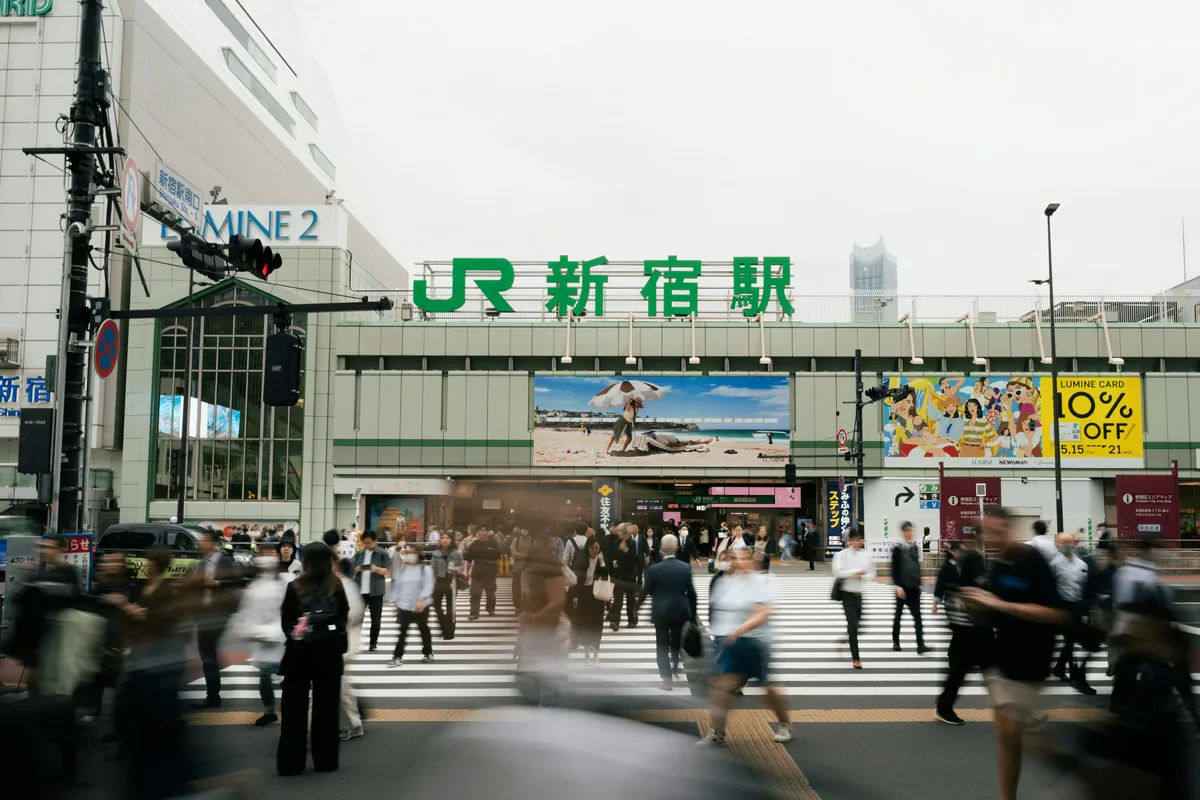
Where we recommend staying: South Exit / New South Exit side
This area provides convenient access to JR lines and is also close to Shinjuku Expressway Bus Terminal. It is centered more around offices and tends to feel calmer, making it easier for families as well. When choosing a hotel, check not only how many minutes it is from Shinjuku Station but also which station exit is closest.
Hotel Sunroute Plaza Shinjuku
About a 3-minute walk from Shinjuku Station’s South Exit. Airport limousine buses serve both Haneda and Narita airports, making airport transfers convenient. The hotel also has coin-operated laundry facilities and rooms that accommodate three guests, making it practical for longer stays, families, and groups.
Hotel Century Southern Tower
About a 3-minute walk from Shinjuku Station’s South Exit. Airport limousine buses are available, and many of the rooms are located on higher floors with expansive city views. Sightseeing buses covering the Shinjuku and Shibuya areas also depart from in front of the hotel, making it a good choice if you value both convenient transportation and views.
Nearby: Both hotels have 7-Eleven and FamilyMart convenience stores nearby for drinks and snacks. There are also restaurants in the area, including Shake Shack.
Shibuya | Best for Experiencing Shibuya Beyond Sightseeing
Shibuya is one of the best areas for experiencing contemporary Tokyo culture, from landmarks such as Shibuya Scramble Crossing to fashion, music, and food.
Staying here lets you enjoy shopping and walking around the neighborhood during the day, then experience a different side of Shibuya through dining and its neon-lit streets at night. It is a good choice if you want Shibuya itself to be part of your trip rather than simply a place you visit for sightseeing.
The trade-off is that the area around the station can be very crowded, and hotel prices are relatively high. It is less suitable if you prioritize a quiet stay or if your itinerary focuses mainly on eastern Tokyo, including Asakusa.
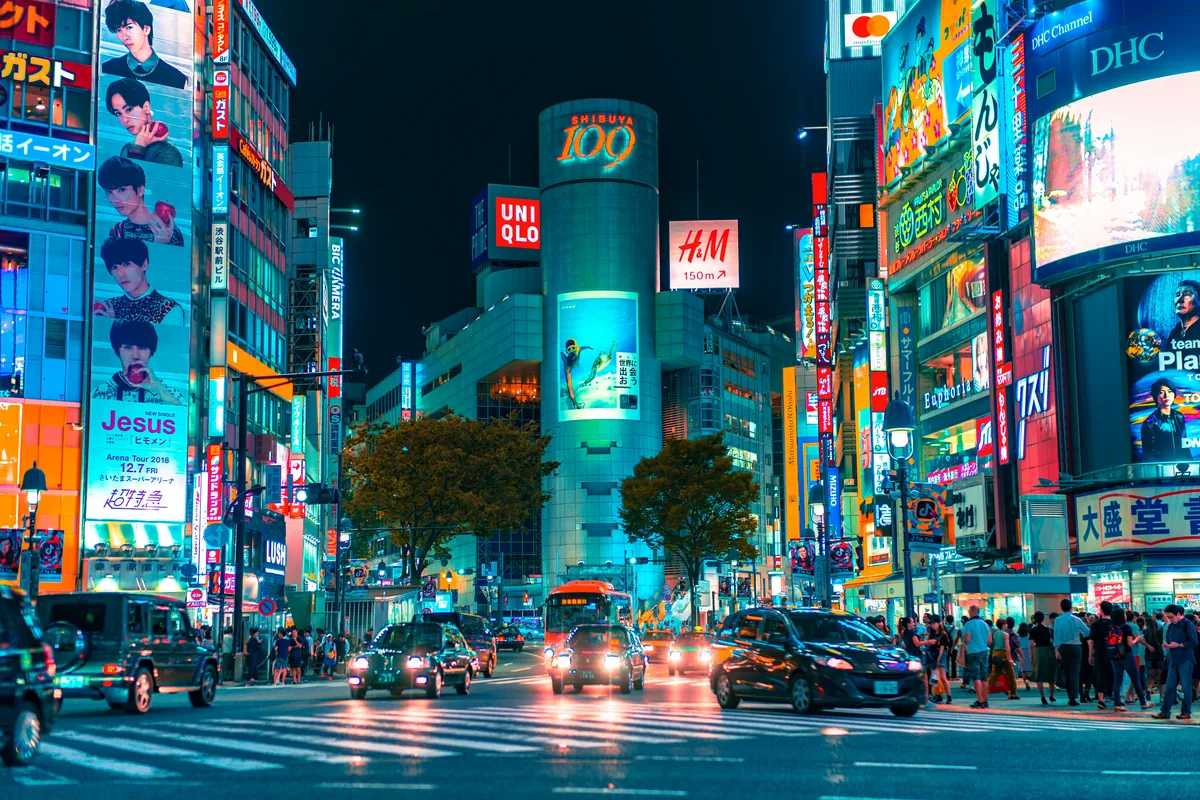
Where we recommend staying: South of Shibuya Station / Shibuya Stream side
This area keeps you close to the station while making it easier to avoid the especially crowded streets around the Hachiko Exit. It is a good option if you want Shibuya’s convenience with a slightly calmer place to stay.
SHIBUYA STREAM HOTEL
Directly connected to JR Shibuya Station. The hotel features vintage-modern rooms and offers events, food experiences, and opportunities to interact with other guests and staff, creating a stronger connection to the Shibuya neighborhood. Some rooms accommodate up to four guests, making it suitable for group trips as well.
JR-EAST HOTEL METS SHIBUYA
About a 4-minute walk from JR Shibuya Station. This is a good choice if you want a simple stay with the essentials at a relatively affordable price. It also works well for solo travelers, and coin-operated laundry facilities make it practical for longer stays.
Nearby: Both hotels have 7-Eleven and FamilyMart convenience stores nearby, making it easy to pick up drinks and snacks. The surrounding area also has restaurants such as Gyukatsu Motomura.
Tokyo Station / Marunouchi | Best if You Are Taking the Shinkansen After Tokyo
The Tokyo Station area is a good choice if you plan to continue from Tokyo to Kyoto, Osaka, or another destination by Shinkansen.
The Yaesu side has many restaurants and shopping facilities selling souvenirs, making it easy to take care of meals, shopping, and last-minute Tokyo gifts in one place. It also works well if you want to buy souvenirs on your final day and then head straight to the Shinkansen. On the opposite Marunouchi side, you can also enjoy walking around the Marunouchi side of Tokyo Station and the Imperial Palace area.
The main downside is price, as hotels tend to be relatively expensive. It is also less suitable if nightlife or late-night shopping like you would find in Shinjuku or Shibuya is a priority.
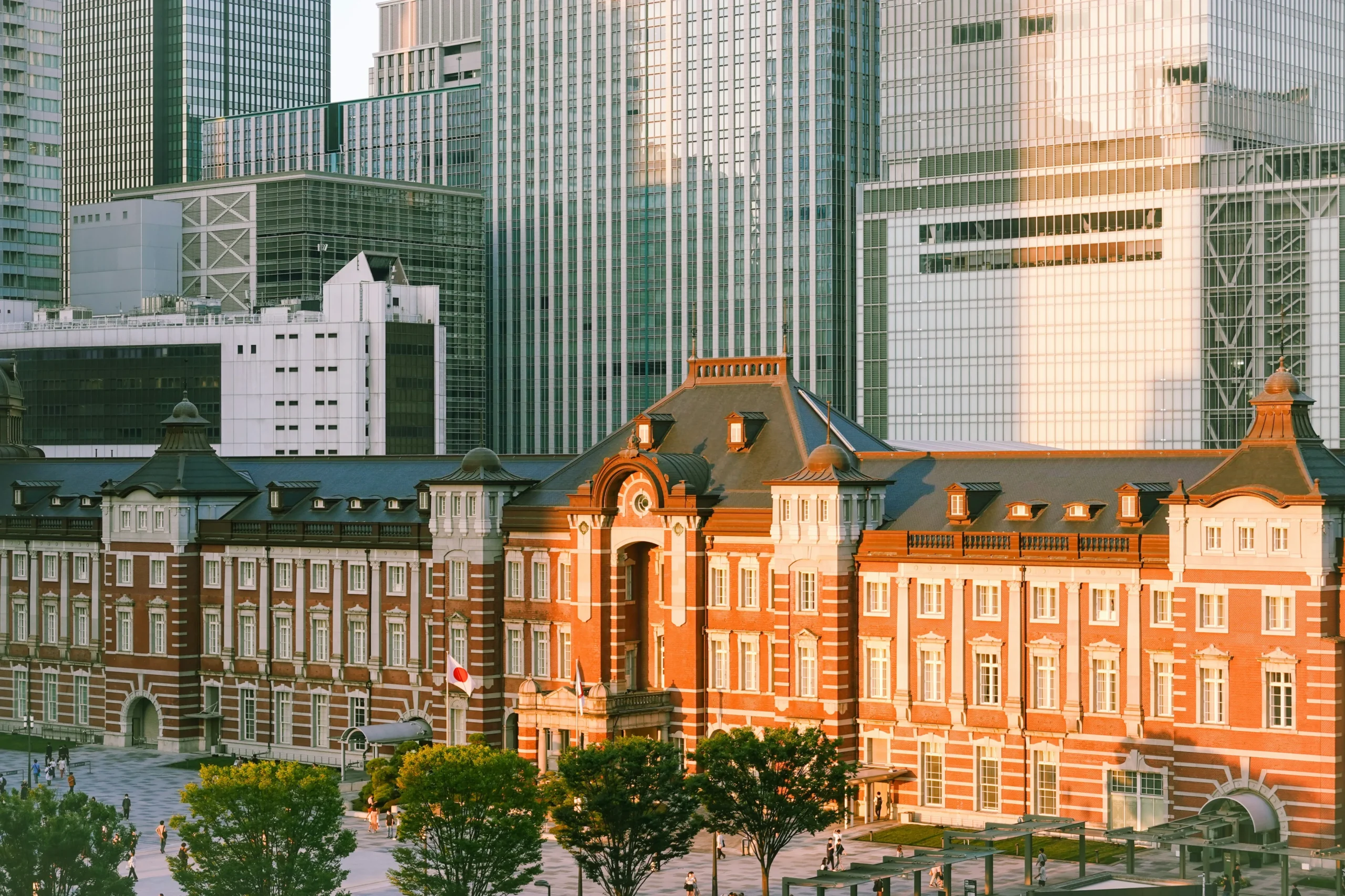
Where we recommend staying: Nihombashi Exit / Yaesu side for Shinkansen access
If Shinkansen access is your priority, we recommend the Nihombashi Exit or Yaesu side. These areas make it easier to reach the Shinkansen platforms and can reduce the hassle of moving through the station when traveling with suitcases or other large luggage.
Hotel Metropolitan Tokyo Marunouchi
Directly connected to JR Tokyo Station’s Nihombashi Exit. The hotel is located on the 27th floor and above, with rooms offering views over Tokyo at night. Its restaurant also serves French cuisine, making it a good choice for couples or travelers looking for a slightly more special stay.
karaksa hotel TOKYO STATION
About a 5-minute walk from JR Tokyo Station. Room options range from accommodations for one or two guests to connecting rooms for up to six people, making the hotel suitable for solo travelers, families, and groups. The laundry area also makes it practical for longer stays.
Nearby: Both hotels are close to restaurants, Lawson, and Daimaru Tokyo, making it easy to find meals, drinks, and other necessities during your stay. The Tokyo Station area also has stores such as UNIQLO, which can be useful if you unexpectedly need to buy clothing.
Akasaka and Shinagawa Can Also Work for Specific Itineraries
Akasaka
Akasaka is another option if you want a convenient location without the level of crowds found in Shinjuku or Shibuya. Staying somewhere with access to both Akasaka Station and Tameike-sanno Station gives you more transportation options around Tokyo.
The area has less lively nightlife, but that also makes it a good choice if you prefer to return somewhere calmer after sightseeing.
VIA INN PRIME AKASAKA
About a 3-minute walk from Akasaka Station. It offers simple, practical rooms at a relatively affordable price. The hotel also has a large communal bath, making it a good option if you want to unwind after a day of sightseeing.
Nearby: There is a 7-Eleven just steps from the hotel, making it easy to pick up snacks and drinks. The surrounding area also has ramen shops, yakiniku restaurants, izakaya, and other restaurants, so it is easy to find a meal after sightseeing.
Shinagawa
Shinagawa is convenient for travelers who prioritize Haneda Airport access and Shinkansen travel. If your trip is focused only on sightseeing in Tokyo, we would generally prioritize other areas. However, Shinagawa works particularly well for an itinerary such as Haneda Airport → Tokyo stay → Kyoto or Osaka by Shinkansen.
The Strings by InterContinental Tokyo
Directly connected to JR Shinagawa Station’s Konan Exit. Rooms on the upper floors offer expansive views, and the hotel also has restaurants, a bar, and a cafe serving afternoon tea. It is a good choice if you want to enjoy not only convenient access but also time at the hotel itself.
Tokyu Stay Takanawa
About a 1-minute walk from Sengakuji Station. Being one stop away from Shinagawa Station can make it easier to find a relatively affordable stay, while rooms also include washer-dryers and microwaves. It works well for both short and longer stays, especially if you are staying for several nights.
Nearby: Both hotels have Daily Yamazaki and 7-Eleven convenience stores nearby for snacks and drinks. Atre Shinagawa near Shinagawa Station and NEWoMan TAKANAWA, about a 10-minute walk from Sengakuji Station, also have restaurants if you want a full meal.
How to Choose a Hotel in Tokyo: 4 Steps
STEP 1 | Plan Your Itinerary
Identify the sightseeing spots and areas you want to visit in Tokyo.
If you are planning your first visit, see our 3-day Tokyo itinerary for first-time visitors.
STEP 2 | Choose Your Stay Area
Narrow down your options based on the places you want to visit and other priorities in your itinerary, such as airport or Shinkansen access.
STEP 3 | Choose the Station and Side of the Station
Even within the same area, convenience can change depending on which station and exit you use. Check the train lines you are likely to use most often, as well as access to the airport and Shinkansen.
STEP 4 | Choose Your Hotel
Finally, compare each hotel’s location relative to the station, price, rooms, and facilities.
When booking a hotel, do not look only at a phrase such as “5 minutes from the station.” Check how the hotel is positioned relative to the station, train lines, and exits you will actually use.
FAQ
Should I Stay in Shinjuku or Shibuya?
Choose Shinjuku if you plan to explore Shinjuku, Harajuku, and Shibuya broadly and want more transportation options.
Choose Shibuya if you want dining and nightlife to be a bigger part of your stay and want the neighborhood itself to feel like part of the trip.
Is Asakusa Too Far Away for Tokyo Sightseeing?
It takes longer to travel from Asakusa to areas such as Shinjuku and Shibuya, but Asakusa is a convenient base if your itinerary focuses on Senso-ji and Tokyo Skytree.
The Ginza Line and Toei Asakusa Line also provide direct access to Ginza and Higashi-ginza.
Should I Stay Near Tokyo Station?
It is a convenient area if you plan to take the Shinkansen to Kyoto, Osaka, or another destination after your Tokyo stay.
Tokyo Station is extremely large, however, so if you are using the Shinkansen, check which side of the station your hotel is on.
Where Should I Stay If I Am Using Narita Airport?
If you prioritize both Narita Airport access and Tokyo sightseeing, Ueno is a strong option. You can take the Skyliner from Keisei Ueno Station.
Where Should I Stay If I Am Using Haneda Airport?
Shinagawa is convenient if you plan to use both Haneda Airport and the Shinkansen. If sightseeing within Tokyo is your priority, choose your stay area based on the places in your itinerary.